Interior Finishes Protected at the Source
Chimney leak repair stops water intrusion before it becomes staining, bubbling paint, or ceiling damage inside the home.
Mon–Fri 8:30 AM – 4 PM
Home > Services > Chimney Leak Repair
Stop active leaks at the source and shield your Halethorpe, Sykesville, Annapolis, or Columbia home before stains, rot, and masonry failure spread.
Moisture acts fast, even if you don’t, and can be devastating to even strong materials, like brick and mortar. And what makes chimney leaks even more frustrating for homeowners is that it’s oftentimes difficult to pinpoint exactly what’s causing the leak. Trinity Chimney Service has decades of industry experience and have helped resolve countless chimney leak concerns for our neighbors in Ellicott City, Elkridge, Columbia, and all throughout Central Maryland.
The Problem
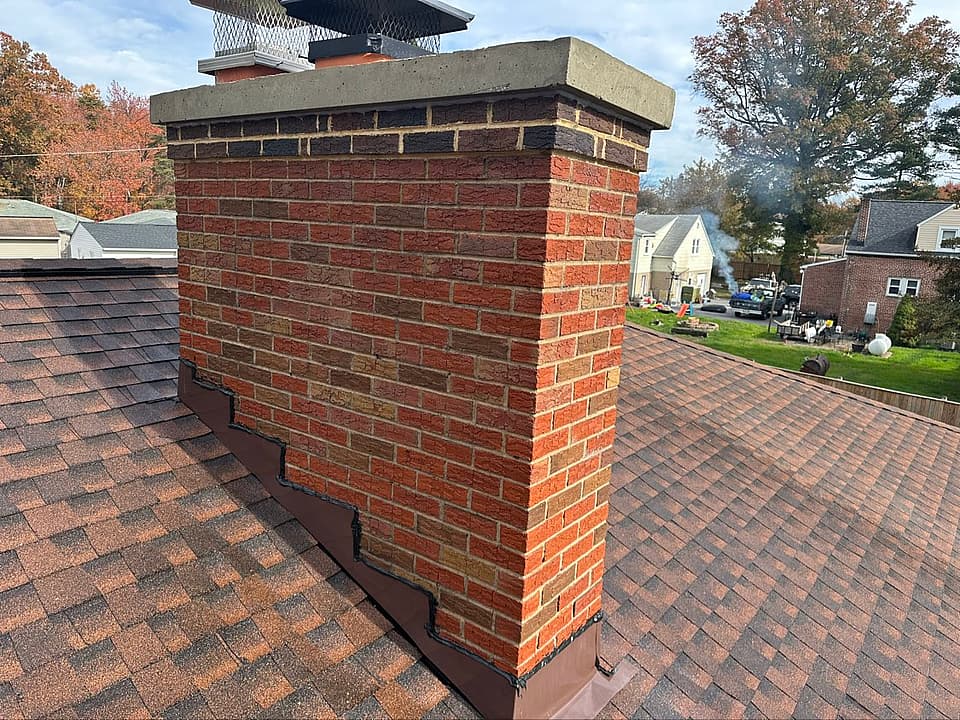
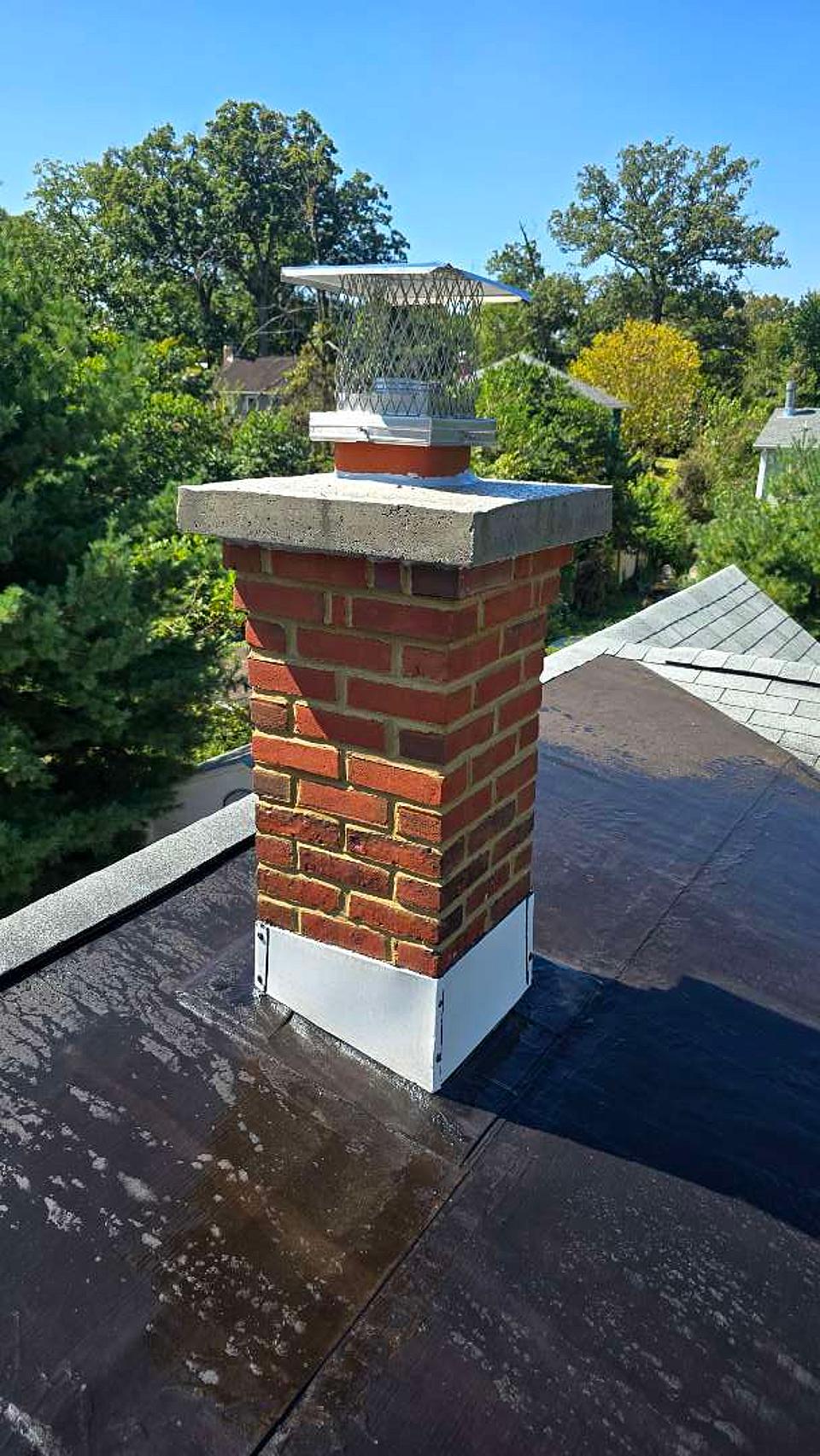
Chimney leaks rarely have a single cause, and identifying the actual source of water intrusion requires more than a visual inspection from the ground. Water finds its way into a chimney system through multiple entry points, and in many cases more than one is contributing to the problem at the same time. The chimney crown is among the most common culprits, but it's rarely the only place worth evaluating when a leak is present.
Hidden Damage
Unseen moisture slowly weakens your chimney from within, turning minor cracks into major masonry failure before you even notice the first sign of trouble.
What to Do
Even minor water intrusion quickly spreads into surrounding walls, ceilings, and internal masonry, turning a simple fix into extensive structural decay. Addressing a leak right away stops hidden damage in its tracks and delivers several key advantages:
Chimney leak repair stops water intrusion before it becomes staining, bubbling paint, or ceiling damage inside the home.
Addressing the leak early keeps freeze-thaw cycling from turning hairline cracks into tuckpointing jobs or partial rebuilds.
Moisture left unchecked deteriorates liners, dampers, and draft performance over time. Leak repair protects the system from the inside out.
Trinity's inspection process evaluates the chase, flashing, and crown alongside the primary leak source so contributing issues don't get missed.
Caps, crowns, flashing, and waterproofing are assessed together so the finished repair addresses the full picture, not just the most visible symptom.
Trinity shows you where water entered, what was repaired, and what was done to prevent recurrence before the appointment concludes.
How We Fix It
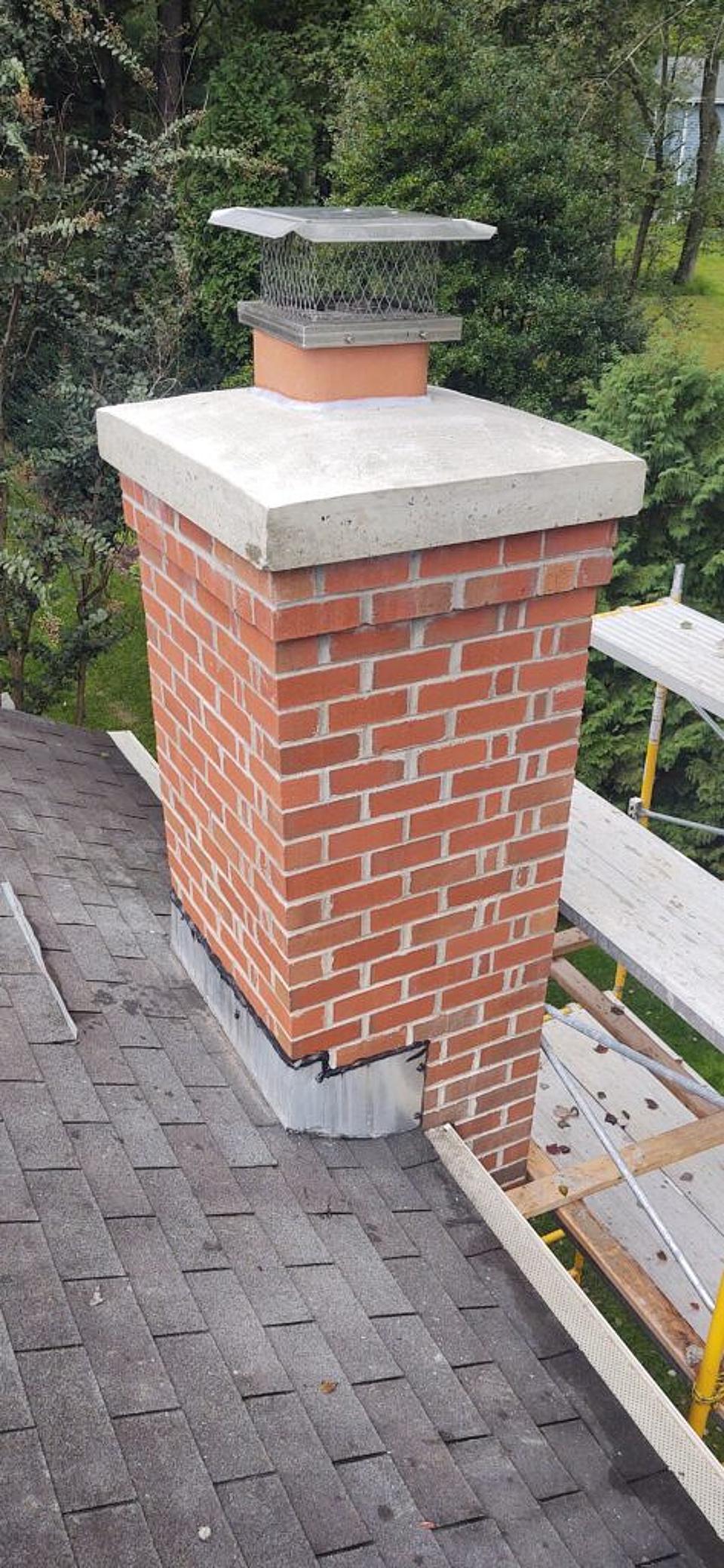
Trinity’s CSIA-certified team systematically traces leaks from the roof down to the firebox. By thoroughly assessing your crown, flashing, masonry, cap, and liner, we fix the exact entry point of the water. We stick to our original bid, keep work areas clean, and provide transparent findings. Upgrades like waterproofing or cap installation are suggested only when needed.
Drop cloths, careful roof access, and clean containment protect your interiors and landscaping throughout every chimney leak repair visit.
CSIA, NFI, and F.I.R.E. credentialed technicians, MHIC #114994, licensed and insured on every job.
Trinity identifies crown, flashing, masonry, and cap failures before recommending a repair scope, not after sealing over the symptom.
We show you the leak path, explain what's causing it, and recommend only the repairs your chimney actually needs.
How It Works
Call 443-602-4306 or request an appointment online, and we'll find a time that works for you.
A certified technician protects your home, sweeps the flue, and checks your chimney's condition.
We walk you through what we found with honest, straightforward recommendations and zero upselling.
Chimney Leak Repair Reviews
See More ReviewsI had to have a complete chimney replaced from the roof up due to leakage and water damage. They were able to match the brick perfectly and able to upgrade the crown and cap.
Dwight P.
Verified Customer
I had a great experience working with Trinity Chimney for the installation of an electric fireplace. Trinity Chimney went above and beyond… replacing the chimney cap, insulating the walls of the prefab chimney, and properly flashing the bottom of the chimney with metal.
David R.
Verified Customer
I delayed my review for several months to see if the work done would hold up, and I am pleased to share that it continues to look great! Thanks for a job well done and the results continue to look like the day the work was initially done.
Edie H.
Verified Customer
FAQs
Chimney leaks don't always announce themselves with water pouring into the firebox. In many cases, the signs are subtle and easy to attribute to something else entirely. Trinity looks for the following indicators during leak assessments:
Any one of these warrants a professional evaluation. In many cases, multiple entry points are contributing to the problem at the same time, which is why Trinity conducts a systematic inspection before recommending a repair scope.
Mold requires moisture to develop, and a chimney that's been leaking for any length of time provides exactly the kind of sustained moisture that mold needs to establish itself inside wall cavities, ceiling materials, and insulation. The challenge is that by the time mold becomes visible or detectable by odor, the moisture has typically been present for long enough to have already caused meaningful damage to the surrounding materials.
Chimney leaks are particularly problematic in this regard because the water often travels along framing, masonry, or flashing before appearing in an obvious location. The entry point and the visible damage are frequently in different places, which makes tracing the source without a proper inspection difficult.
Trinity's chimney leak repair process focuses on identifying every point of water entry so the moisture source is fully addressed, not just the surface symptoms it leaves behind.
Condensation and an active leak produce some of the same symptoms, and distinguishing between the two requires more than a visual inspection. Condensation forms inside the flue when warm combustion gases contact a cool liner surface, dropping below the dew point and producing moisture. This is particularly common in oversized flues, uninsulated liners, and systems that see low-temperature fires over extended periods.
The distinction matters because the repair paths are different:
Trinity evaluates both possibilities during a chimney leak assessment. Treating condensation as a leak leads to repairs that don't resolve the moisture problem, and Trinity won't recommend a scope without first confirming what's actually causing the water.
Chimney leak repair cost varies too widely to quote without a proper inspection, and any number offered before the source of the leak has been identified isn't reliable. A single failed chimney cap is a straightforward repair. A leak that involves deteriorated flashing, a cracked crown, compromised mortar joints, and water damage to the surrounding masonry is a different scope entirely.
Factors that influence the final cost include:
Trinity provides detailed, itemized quotes following a thorough inspection. The number on the bid reflects the actual scope required to resolve the leak, not a starting point for negotiation.
Some chimney leak repairs can be completed in winter or during wet weather conditions, and others cannot. The determining factor is the type of work involved and what the materials require to perform correctly.
Chimney cap replacement, certain flashing repairs, and interior work are generally not weather-dependent and can proceed in colder months. Masonry repairs, tuckpointing, and crown work are a different matter. Mortar and crown cement require specific temperature and humidity conditions to cure correctly, and applying them in freezing temperatures or wet conditions compromises the finished result.
Trinity will not push masonry or crown work through conditions that undermine the quality or longevity of the repair. If a leak assessment identifies work that requires waiting for appropriate conditions, Trinity will communicate that clearly and help prioritize what can be addressed immediately versus what needs to be scheduled for better weather.
A chimney leak that recurs after repair is almost always the result of one of two things: the original repair didn't address the correct entry point, or it addressed one entry point while leaving others unresolved. Water is persistent, and a chimney with multiple vulnerabilities will continue to show moisture problems as long as any of those vulnerabilities remain open.
This is why Trinity's approach starts with a systematic diagnosis rather than a targeted patch. Sealing the most visible crack without evaluating the crown, flashing, cap, and mortar joints as a complete system is a common reason leaks come back within a season or two.
There are also situations where a repair was executed correctly but deferred maintenance on surrounding components eventually creates a new entry point. That's a different problem from a failed repair, and the distinction matters when determining the appropriate next step.
Central Maryland
We travel throughout Howard, Baltimore, Carroll, and Anne Arundel counties, bringing certified chimney and fireplace expertise to neighbors across Central Maryland.
Get In Touch
Every rain event and freeze-thaw cycle that passes gives a chimney leak more opportunity to work. Trinity brings a systematic diagnosis process and honest repair recommendations to every chimney leak repair job in Central Maryland. Reach out before the next season compounds the damage and find out what it actually takes to resolve the problem.
443-602-4306
Water damage in a Central Maryland chimney has a way of revealing bigger concerns. Our services start getting to the bottom of it with a chimney inspection.