Home > Services > Chimney Crown Repair

Chimney Crown Repair Services for Central Maryland

A properly sloped chimney crown sheds water to stop leaks, freeze-thaw damage, and costly masonry failure in your Elkridge, Columbia, Ellicott City, and Laurel home.

As the first line of defense against rain and snow, a chimney crown must be built to last. When it cracks, deteriorates, or lacks proper thickness, moisture quickly seeps into the surrounding brick, mortar, and flue, leading to structural decay. Trinity Chimney Service rebuilds and repairs custom-formed crowns to ensure your chimney remains dry, secure, and fully prepared for the upcoming heating season.

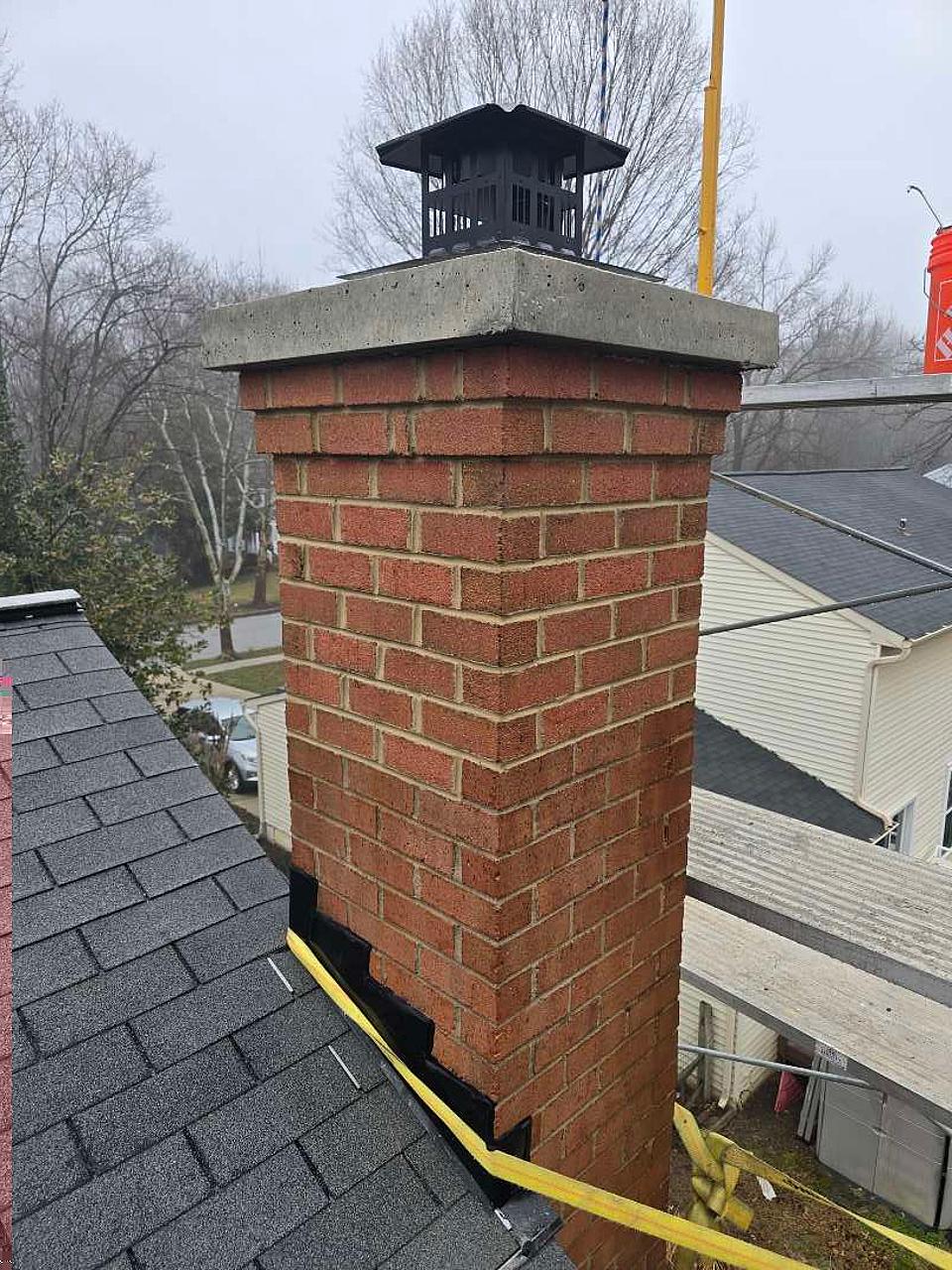
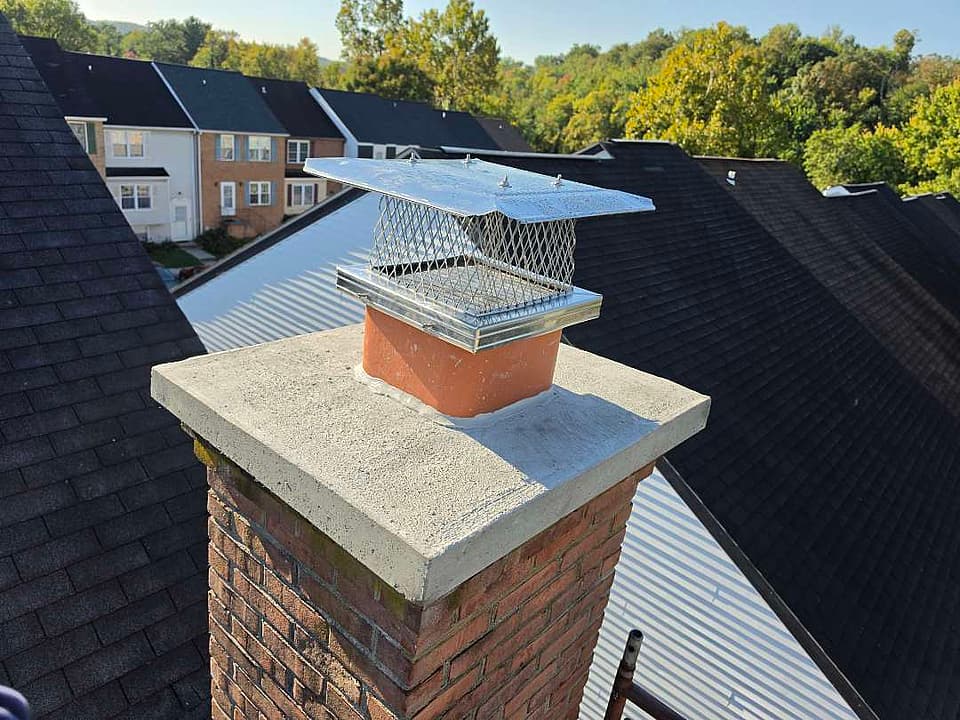
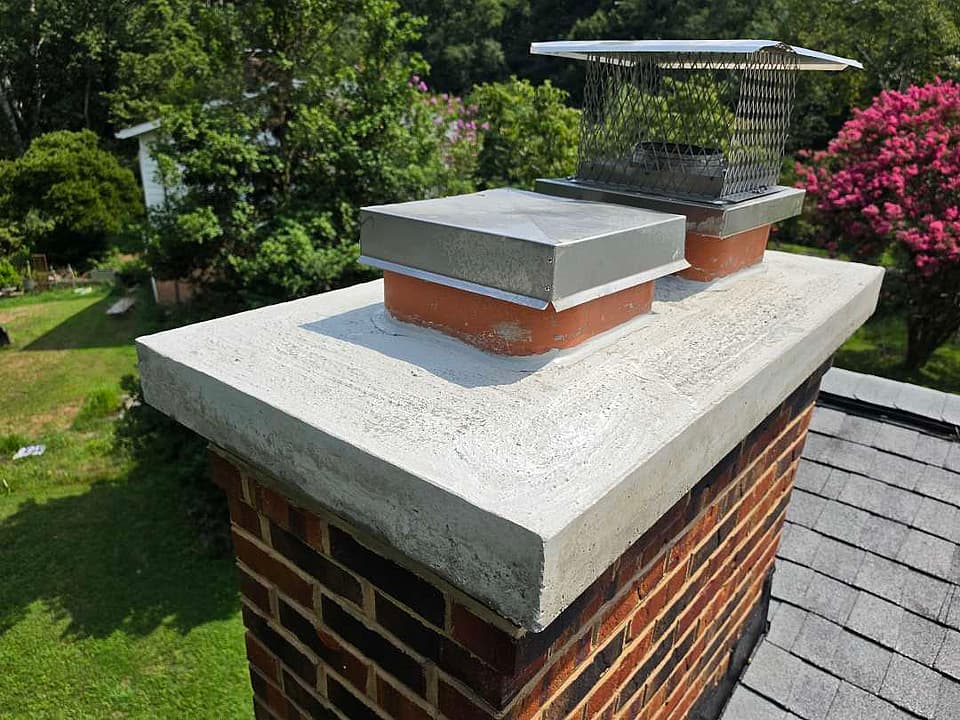
A chimney crown rebuilt by Trinity Chimney Service.
A chimney crown rebuilt by the team at Trinity Chimney.

Primary Defense

What Is a Chimney Crown? What Does It Do?

The chimney crown is the concrete or mortar slab that covers the top of the chimney, surrounding the flue opening and sloping outward to direct water away from the masonry below. It's the chimney's first line of defense against weather, and when it cracks, chips, or deteriorates, water gains direct access to the interior of the chimney structure. We inspect chimney crowns as part of every Level 1 inspection and addresses crown repair and replacement as a standalone service when needed.

  • Water Diversion: The chimney crown's sloped profile directs rainwater away from the flue opening and off the top of the chimney, preventing water from pooling against the masonry or entering the flue directly.
  • Masonry Protection: A properly formed chimney crown covers the full width of the chimney top, protecting the underlying brick and mortar from direct water exposure that accelerates deterioration.
  • Freeze-Thaw Defense: By keeping water off the masonry, an intact chimney crown reduces the freeze-thaw cycling that cracks mortar joints and spalls brick over time.
  • Structural Longevity: A well-formed chimney crown extends the service life of the chimney by reducing the moisture-driven deterioration that eventually requires more extensive restoration or rebuilding work.

The Silent Destroyer

Chimney water damage often builds undetected, quietly eroding interior mortar and flues until costly structural issues and unexpected leaks surface inside your home.

Schedule an Appointment

What To Do

Should I Have My Crown Repaired or Rebuilt?

Deciding between repairing or rebuilding your chimney crown depends on the extent of the existing damage and your long-term protection goals. While minor surface cracking can often be sealed to extend its lifespan, severe structural deterioration requires a complete rebuild to safeguard your home against water intrusion.

Cracked Crown Repairs

We fill gaps, holes, and cracks in the crown using an elastomeric coating known as CrownSeal. CrownSeal provides 10 years of protection against leaks and prevents cracks and other damage from growing larger or worsening with time.

Crown Rebuilds & Replacements

We remove the old damaged crown and rebuild a perfectly fitted, expertly designed crown in its place. Our crowns are built to proper specs to provide years of protection, and we stand behind our work.

Chimney Crown Waterproofing

We add leak prevention and offer crown waterproofing using a product called CrownCoat. CrownCoat seals the entire crown with a waterproof membrane for 15 years of guaranteed protection against leaks and water-related damage. It can even be custom colored to meet your needs.

Schedule an Appointment
A finished chimney crown that was restored by Trinity Chimney.

What to Expect

Chimney Crowns Protect, Not Just Disguise

Trinity’s family-run, CSIA-certified team treats your home with care. We start by determining whether a targeted repair or a full formed crown is the best solution. From there, our crew prepares the masonry and pours a durable wash complete with a proper overhang and drip edge. You get clean, thorough work that matches our original bid with zero pressure to add unnecessary services.

Work That Respects Your Property

Roofing, landscaping, and interior spaces are protected throughout every crown repair visit, from setup through cleanup.

Certified Crown Repair Technicians

CSIA, NFI, and F.I.R.E. credentialed technicians, MHIC #114994, licensed and insured on every job.

Formed Crowns Built to Last

Proper slope, thickness, and overhang ensure water sheds away from the masonry rather than soaking into it.

Honest Assessment, No Pressure

Trinity shows you the crown condition, explains the findings, and recommends repair, replacement, or related masonry work only when the situation actually calls for it.

Schedule an Appointment

How It Works

Three Steps to a Watertight Chimney Crown

1

Schedule your visit

Call 443-602-4306 or request an appointment online, and we'll find a time that works for you.

2

Inspect, then form or repair

We assess the crown, masonry, and related leak paths, then repair or pour a formed crown with the right slope and overhang.

3

Clear findings & next steps

We walk you through our completed work and any optional add-ons, including cap installation, waterproofing, or masonry repairs, with zero pressure.

Customer Reviews

See More Reviews

Homeowners across Central Maryland trust Trinity for chimney crown repair.

They were able to match the brick perfectly and able to upgrade the crown and cap. They were respectful not only to me but also my lawn and property, even raking and fluffing the grass up at the end of each day.

Dwight P.

Verified Customer

Last year, I had them rebuild the top of my chimney because of the failing chimney cap which was cracking badly and pieces literally falling off to the ground. They did a Class A+ thorough quality service.

John R.

Verified Customer

I delayed my review for several months to see if the work done would hold up, and I am pleased to share that it continues to look great! Thanks for a job well done and the results continue to look like the day the work was initially done.

Edie H.

Verified Customer

FAQs

Common Chimney Crown Repair Questions, Answered

What is the correct way to build a chimney crown so it does not crack?

Crown failures aren't always the result of age or weather. Improper construction is one of the most common reasons crowns deteriorate prematurely, and it's a problem Trinity encounters regularly on chimney assessments throughout Central Maryland. A properly built chimney crown follows a specific set of standards that not every mason or contractor heeds during original construction:

  • Chimney crowns should be built with a drip edge, which is an edge that extends beyond the chimney stack or chase by at least 2 inches.
  • Chimney crowns should be built at least 3 inches thick at their thinnest point.
  • Chimney crowns should be slightly sloped on all sides to encourage rain, snow, sleet, and ice to slip off instead of settling on top.
  • Chimney crowns should be made of a strong, erosion-resistant cement, not a standard mortar.

When these standards aren't followed during construction, cracking and water infiltration are a predictable outcome rather than an unfortunate one.

How long should a chimney crown last?

A chimney crown built to proper standards, with the correct cement mix, adequate thickness, proper slope, and a drip edge that extends beyond the chimney stack, can last several decades with routine maintenance and occasional inspection. What shortens that lifespan significantly is improper original construction, deferred maintenance, and Central Maryland's freeze-thaw cycles working on a crown that wasn't built to handle them.

Crowns made from standard mortar rather than erosion-resistant cement tend to fail much sooner, often within a few years of installation. Crowns without adequate slope or a proper drip edge hold water against the masonry rather than shedding it, which accelerates deterioration from the top down. Annual inspections are the most reliable way to catch early crown cracking before it progresses to the point where a full replacement is the only practical option.

Can a chimney crown be repaired without replacing it entirely?

Whether a chimney crown can be repaired rather than replaced depends on the extent of the deterioration and the condition of the existing material. Not every cracked crown requires full removal and reconstruction, but not every cracked crown is a good candidate for repair either.

Trinity evaluates crown condition as part of every Level 1 inspection and assesses a few key factors before recommending a course of action:

  • The depth and extent of existing cracks and whether they've allowed water to penetrate the full thickness of the crown
  • Whether the existing crown was built to proper standards in the first place, including correct thickness, slope, and cement type
  • The condition of the surrounding masonry and whether water intrusion has already caused deterioration below the crown

When the existing crown is structurally sound but shows surface cracking, repair is often a reasonable path. When the underlying construction was improper or the crown has deteriorated through its full thickness, replacement with a properly formed crown is the more practical solution.

What is chimney CrownCoat? Is it permanent?

Chimney CrownCoat is a flexible sealant product applied to the surface of an existing crown to fill hairline cracks and create a waterproof barrier. It's a legitimate product with a legitimate use, but it isn't a permanent fix, and it doesn't address the underlying conditions that caused the crown to crack in the first place.

Crown coat works as a maintenance measure on crowns that were built correctly and have developed minor surface cracking over time. It buys time and slows water infiltration when applied correctly to a structurally sound crown. What it doesn't do:

  • Correct improper slope, inadequate thickness, or a missing drip edge
  • Restore structural integrity to a crown that has cracked through its full depth
  • Substitute for replacement when the original construction didn't meet proper standards

Trinity recommends crown coat only when the underlying crown is a legitimate candidate for it, not as a way to defer a replacement that the structure actually needs.

Can storm damage crack or destroy a chimney crown?

Storm damage is a legitimate and common cause of chimney crown cracking, and in severe cases it can destroy a crown entirely. High winds, hail, fallen tree limbs, and the rapid temperature shifts that accompany severe weather all put stress on crown material, particularly crowns that were already compromised by age or improper construction.

A few specific storm-related scenarios Trinity encounters on post-storm assessments:

  • Hail impact fracturing the crown surface or driving cracks deeper into existing deterioration
  • Wind-driven debris making direct contact with the crown
  • Rapid freeze-thaw cycling during late-season storms accelerating cracks that were already present
  • Freeze events following heavy rain saturating a crown with inadequate slope or drainage

Following any significant storm event, Trinity recommends a prompt chimney inspection that includes direct crown evaluation. Storm damage to a crown tends to progress quickly once water finds a way in, and catching it early limits how much of the surrounding masonry it affects.

Can I fix my chimney crown myself?

DIY crown repair products are available, but the results rarely reflect what a properly executed crown repair or replacement actually involves. Applying a sealant or patching compound to a cracked crown without understanding the underlying cause of the cracking, the condition of the material underneath, or whether the crown was built to proper standards in the first place is unlikely to produce a lasting result.

Beyond product selection, there are practical considerations that make crown work a poor candidate for DIY approaches:

  • Crown work requires rooftop access and working at elevation, which carries real risk without proper equipment and experience
  • Diagnosing whether a crown needs repair or full replacement requires a trained eye and direct hands-on evaluation
  • A replacement crown needs to be formed correctly, with proper cement mix, adequate thickness, correct slope, and a drip edge that extends at least 2 inches beyond the chimney stack

Trinity handles crown repair and replacement as part of the same certified process applied to every chimney service, with technicians who can assess the full picture before recommending a course of action.
Schedule an Appointment

Central Maryland

Proudly caring for homes across our community.

We travel throughout Howard, Baltimore, Carroll, and Anne Arundel counties, bringing certified chimney and fireplace expertise to neighbors across Central Maryland.

  • Elkridge
  • Columbia
  • Ellicott City
  • Laurel
  • Towson
  • Catonsville
  • Severn
  • Halethorpe
  • Sykesville
  • Annapolis

Reach Out Today

Don't Let Crown Damage Get Ahead of You

Crown deterioration is one of the more preventable sources of chimney water damage, and catching it early is almost always less expensive than addressing what it causes. Trinity Chimney Service inspects and repairs chimney crowns throughout Central Maryland with certified technicians and straightforward recommendations. Contact us to schedule an appointment and get an honest assessment of your crown's condition.

443-602-4306
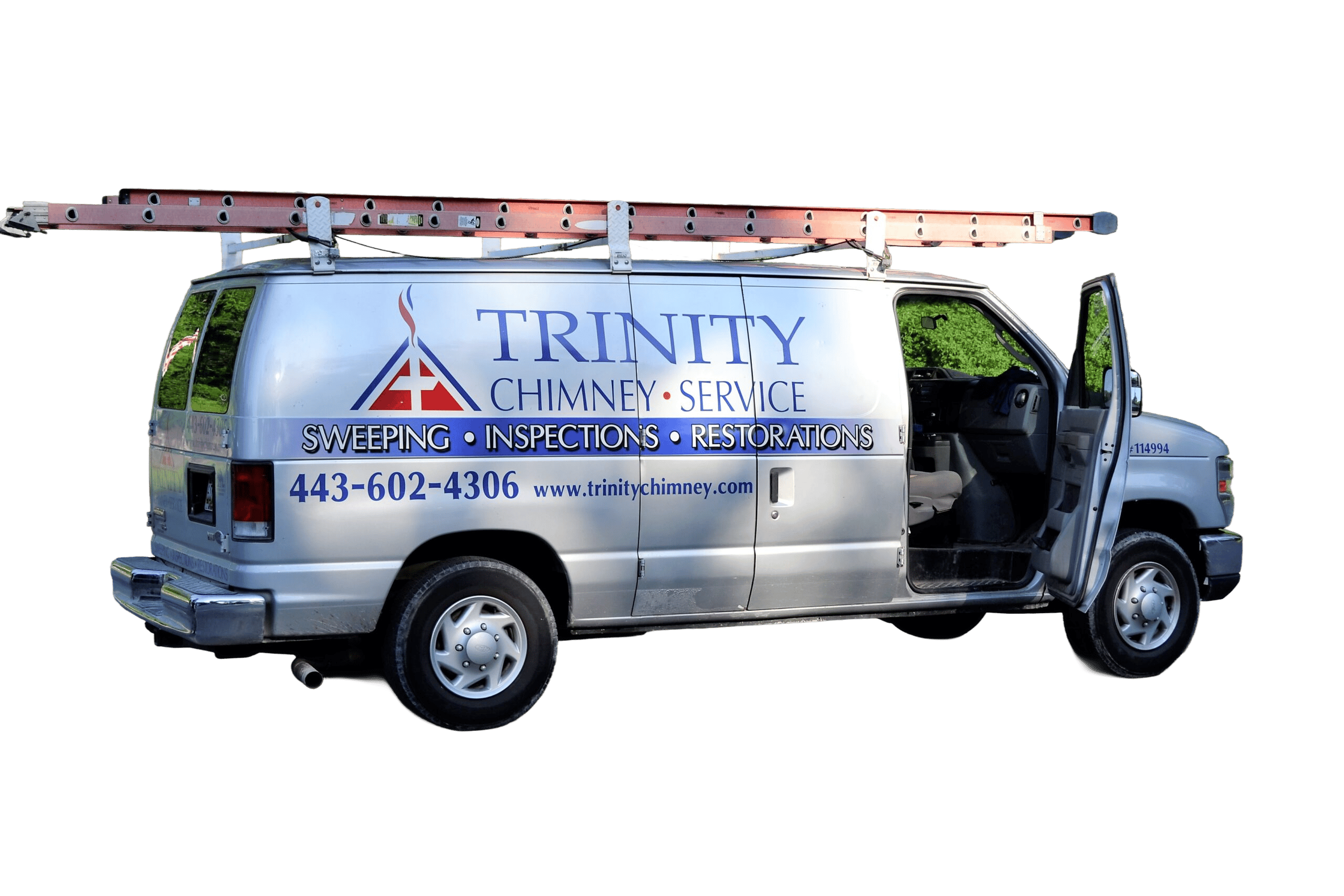
A silver Trinity Chimney Service van with an orange roof ladder and open side door shows company branding and the phone number.

A damaged crown is one of the more common entry points for water in a Central Maryland chimney. Our services address what gets in through chimney leak repair.