Leak Prevention
Blocks wind-driven rain before moisture reaches internal flue liners and living spaces.
Mon–Fri 8:30 AM – 4 PM
Home > Services > Chimney Waterproofing
Breathable, professional-grade sealers protect brick, mortar, and crowns from rain without trapping moisture inside across Sykesville, Severn, Annapolis, Halethorpe, and nearby communities.
Water might be essential for our survival, but it can be detrimental to the survival of your chimney. Here at Trinity Chimney Service, we’re proud to offer our customers in Ellicott, City, Columbia, Elkridge and the neighboring communities the very best leak prevention service: chimney waterproofing. We use ChimneySaver water repellent, which is truly the best performing, most trusted masonry waterproofing product out there, to give our customers a decade’s worth of protection.
Moisture Damage
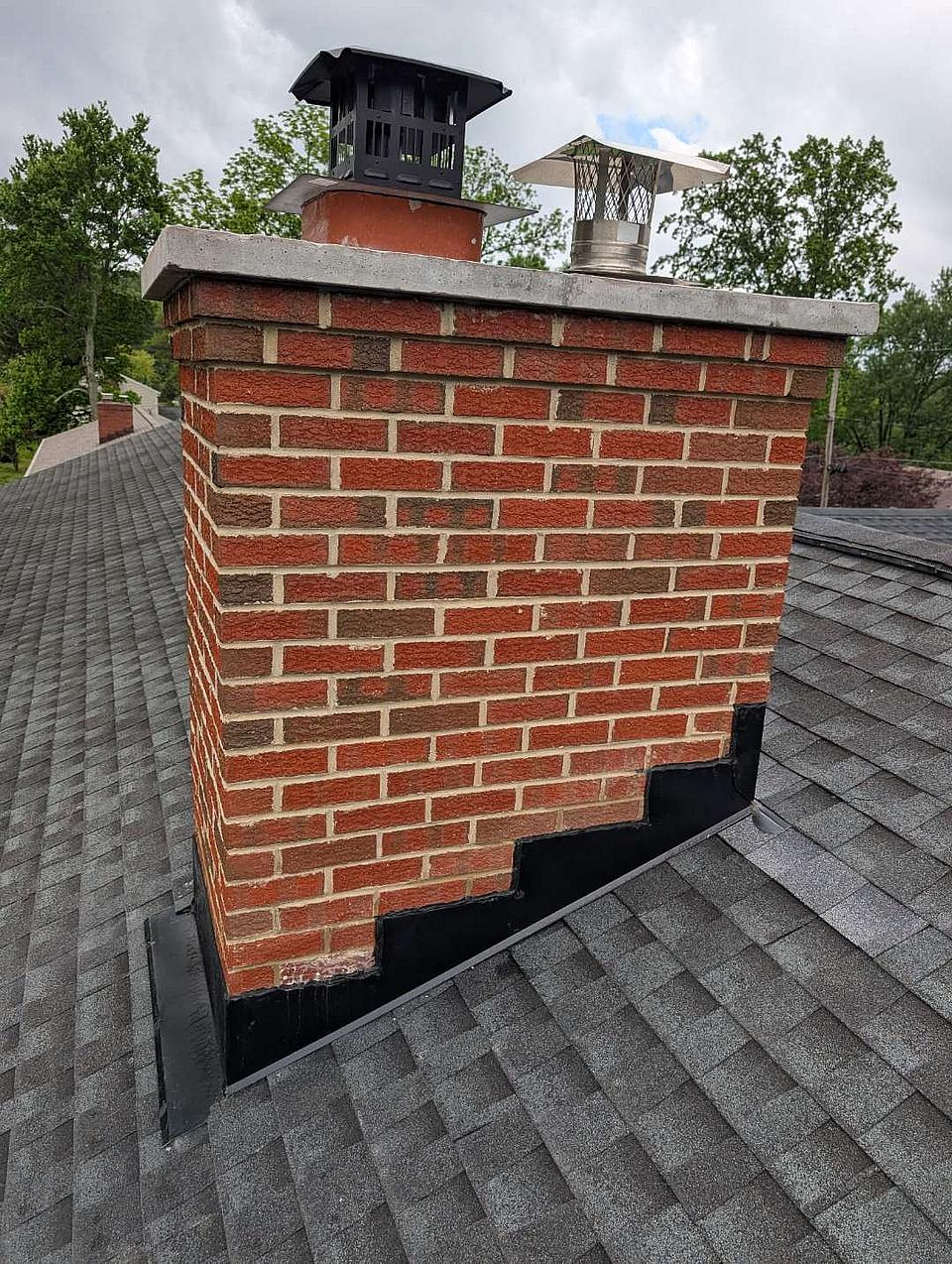
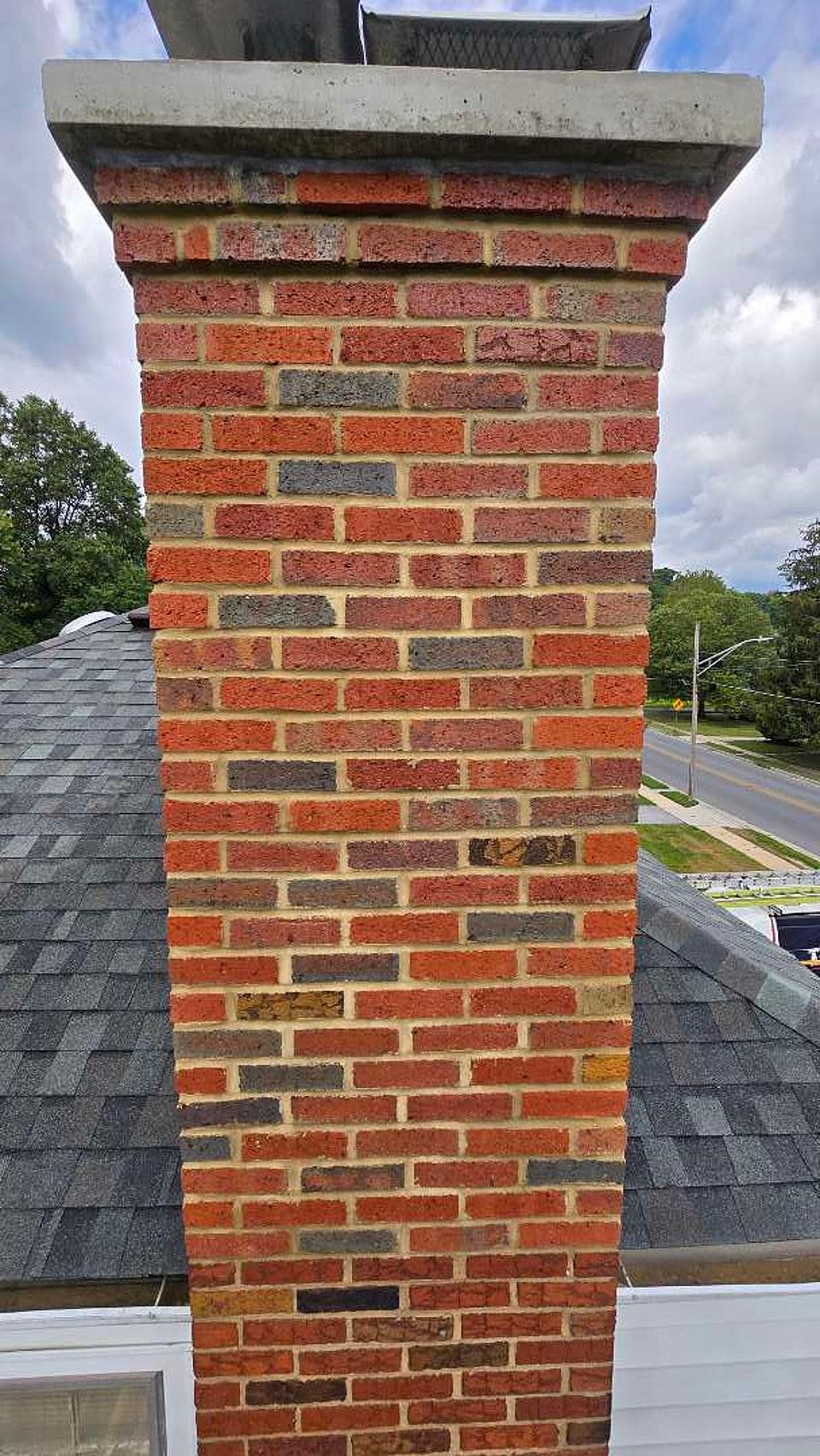
Unprotected masonry absorbs moisture constantly. When trapped water freezes during winter, it cracks crowns, erodes mortar joints, spalls flue tiles, and leaks into living spaces. Applying improper, non-breathable sealants traps this moisture inside, worsening spalling damage. Trinity identifies the root cause of water intrusion, resolves structural defects like cracked crowns or leaking flashing, and applies breathable masonry repellents engineered for deep-penetrating protection.
Post-Repair Care
Blocks wind-driven rain before moisture reaches internal flue liners and living spaces.
Reduces deep pore water absorption to prevent ice expansion and cracked mortar joints.
Eliminates wall staining, peeling plaster, and persistent damp odors around the hearth.
Extends the lifespan of brick, mortar, and crowns between major restoration cycles.
Protects fresh tuckpointing and crown work by locking out moisture right after repairs.
Know that your chimney is protected for the long haul as you enter into every burning season.
How We Fix It
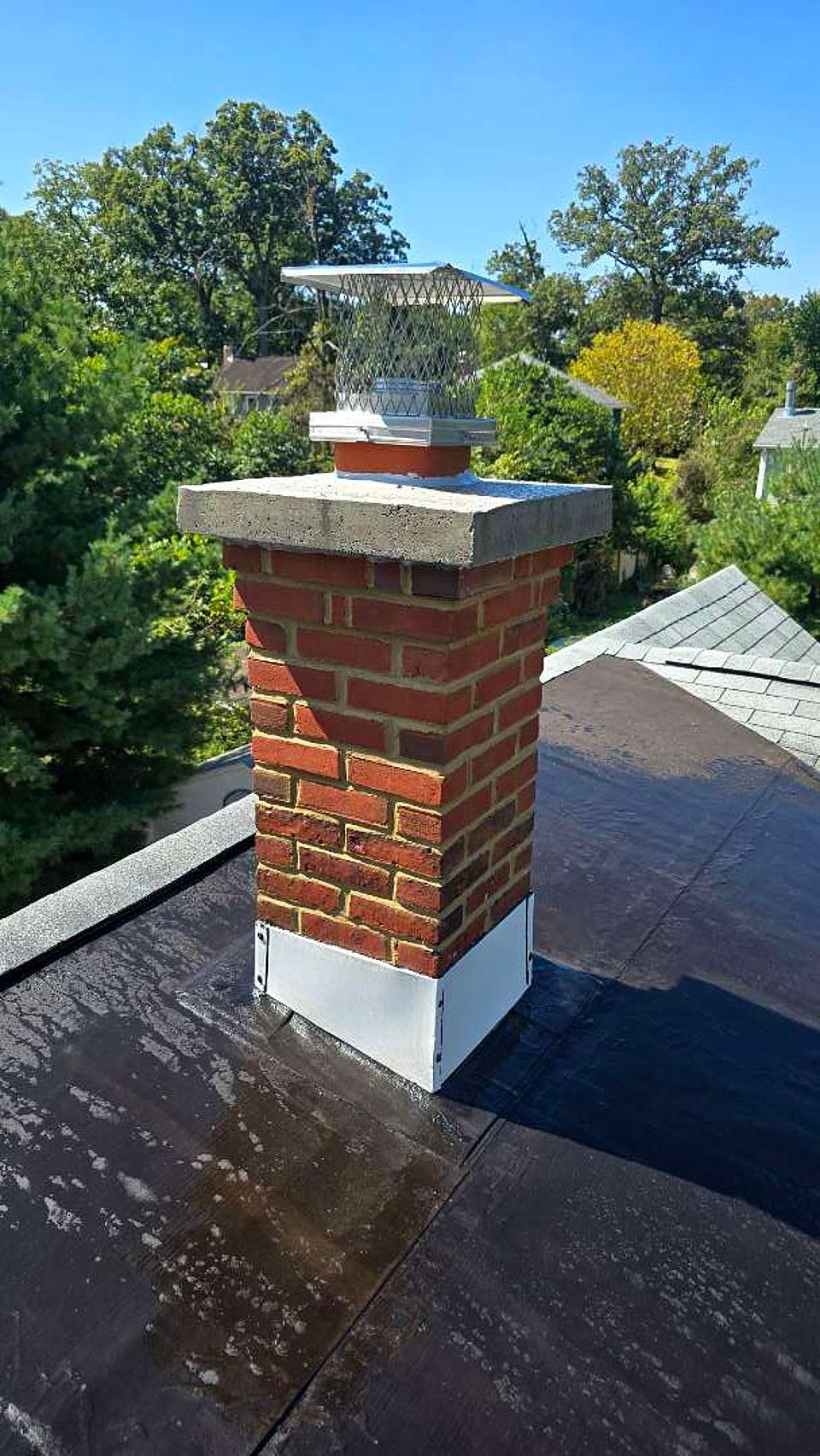
Active water leaks require accurate diagnosis, not quick cover-ups. Our CSIA-certified technicians evaluate your entire top-of-chimney assembly, completing necessary crown or mortar repairs before applying protective treatments. We then apply breathable, masonry-rated water repellents that shield your brickwork while letting vapor vent naturally.
Traces active leak paths directly through inspection to eliminate guesswork on the roof.
Applies commercial-grade repellents that stop rain intrusion while allowing internal vapor to vent.
Completes necessary tuckpointing, crown repairs, and cap installations before applying any sealer.
Deploys CSIA, NFI, and F.I.R.E. credentialed technicians to deliver reliable, family-owned service.
How It Works
Call 443-602-4306 or request an appointment online, and we'll find a time that works for you.
We evaluate masonry, recommend any crown or joint work, then apply waterproofing to sound surfaces.
You get honest recommendations on maintenance, caps, and related services without upselling.
Customer Reviews
See More ReviewsTrinity Chimney went above and beyond to make sure everything was done properly and that the finished result was what we wanted. The work included replacing the chimney cap with a proper cover, insulating the walls of the prefab chimney (including having their technician actually climb inside the chimney to get the job done!), and properly flashing the bottom of the chimney with metal.
David R.
Verified Customer
I had to have a complete chimney replaced from the roof up due to leakage and water damage. They were able to match the brick perfectly and able to upgrade the crown and cap.
Dwight P.
Verified Customer
I delayed my review for several months to see if the work done would hold up, and I am pleased to share that it continues to look great! Thanks for a job well done and the results continue to look like the day the work was initially done.
Edie H.
Verified Customer
FAQs
Waterproofing and chimney leak repair address different problems and shouldn’t be treated as interchangeable. Chimney leak repair identifies and resolves existing points of water entry, whether that’s a cracked crown, failed flashing, deteriorated mortar joints, or a missing cap. Waterproofing is a preventative treatment applied to sound masonry to reduce water absorption before infiltration becomes a problem.
Applying a waterproofing sealer to a chimney that’s already leaking doesn’t resolve the leak. The entry point needs to be identified and repaired first. Waterproofing applied over an active leak seals moisture into the masonry rather than keeping it out, which accelerates the deterioration it’s meant to prevent.
Trinity addresses the sequence correctly: diagnose and repair any active issues first, then apply waterproofing to protect the restored masonry from future water absorption.
Several indicators suggest a chimney could benefit from waterproofing, though the starting point is always a professional assessment to confirm the masonry is in appropriate condition for the treatment.
Trinity evaluates chimney condition before recommending waterproofing to confirm the masonry is sound enough for the treatment to perform correctly.
Waterproofing treatment isn’t a permanent solution, and reapplication frequency depends on the product used, the exposure conditions the chimney faces, and the condition of the masonry at the time of the original application. Most penetrating waterproofing sealers designed for masonry chimneys carry manufacturer recommendations in the range of five to ten years under normal conditions.
Central Maryland’s climate affects that timeline in specific ways. Heavy rainfall, repeated freeze-thaw cycling, and seasonal humidity put consistent stress on masonry surfaces and work through waterproofing treatments faster than drier or more temperate climates would. A chimney on a fully exposed elevation facing prevailing weather will require attention sooner than one in a more sheltered position.
Trinity recommends evaluating the waterproofing condition during annual chimney inspections rather than defaulting to a fixed reapplication schedule, since actual conditions on the masonry surface are a more reliable indicator than a calendar date.
Waterproofing a chimney that’s actively leaking won’t resolve the leak and can make the underlying problem worse. Penetrating waterproofing sealers are designed to reduce moisture absorption in sound masonry, not to seal over existing cracks, failed flashing, or deteriorated mortar joints that are already allowing water in.
When a chimney is leaking, the correct sequence is:
Skipping the repair phase and applying waterproofing directly traps moisture inside the masonry rather than excluding it from the outside. Trinity addresses the repair first and recommends waterproofing as part of the completed scope when the masonry is in the right condition for it.
Fresh tuckpointing introduces new mortar into the joint structure, and that mortar needs adequate time to cure before a waterproofing sealer is applied over it. Applying waterproofing too soon after tuckpointing can interfere with the curing process and affect how well the sealer bonds to and penetrates the new mortar.
Once the mortar has fully cured, reapplication of waterproofing is appropriate and recommended. New mortar joints are porous until treated, and leaving them unprotected after tuckpointing exposes the fresh repair to the same water absorption that contributed to the original joint deterioration.
The timing of reapplication depends on the mortar product used and the conditions during the curing period. Trinity coordinates waterproofing as part of the broader scope when tuckpointing is involved, scheduling the treatment at the appropriate point in the process rather than applying it immediately after the repair work is complete.
So how does ChimneySaver water repellent work and why is it far better than most “waterproofing” products you find in big box stores?
ChimneySaver has these benefits:
It also protects against some of the most destructive processes, like efflorescence and staining and the freeze/thaw cycle, which is what happens when moisture expands and contracts with temperature fluctuations.
Other products just can’t compare because they have these drawbacks:
If you’re looking for a way to protect your chimney against future leaks and water damage, get 10 years of worry-free protection with ChimneySaver. The team here at Trinity Chimney Service has extensive experience applying this system and we guarantee fast, effective results.
Central Maryland
We travel throughout Howard, Baltimore, Carroll, and Anne Arundel counties, bringing certified chimney and fireplace expertise to neighbors across Central Maryland.
Get In Touch
Sound masonry and proper chimney waterproofing go hand in hand. Trinity Chimney Service identifies repair needs first, coordinates the full scope, and applies waterproofing treatment when the conditions and the masonry are ready. Serving Central Maryland homeowners with certified technicians and a process that gets the sequence right. Reach out to find out what your chimney actually needs.
443-602-4306
Waterproofing covers a lot, but it's not the only line of defense. Our chimney leak repair services include chimney caps and lock-top dampers too.