On-Demand Warmth
Ignite fires instantly using a remote or wall switch without dealing with kindling or warm-up time.
Mon–Fri 8:30 AM – 4 PM
Home > Services > Gas Fireplaces, Stoves & Inserts
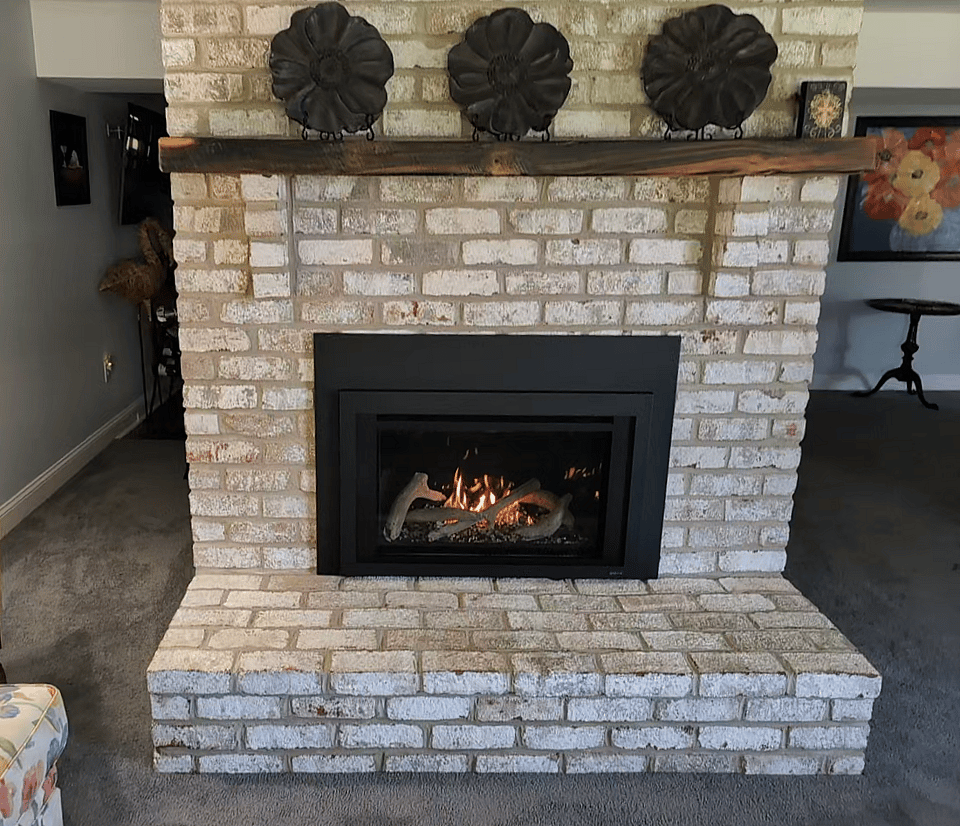
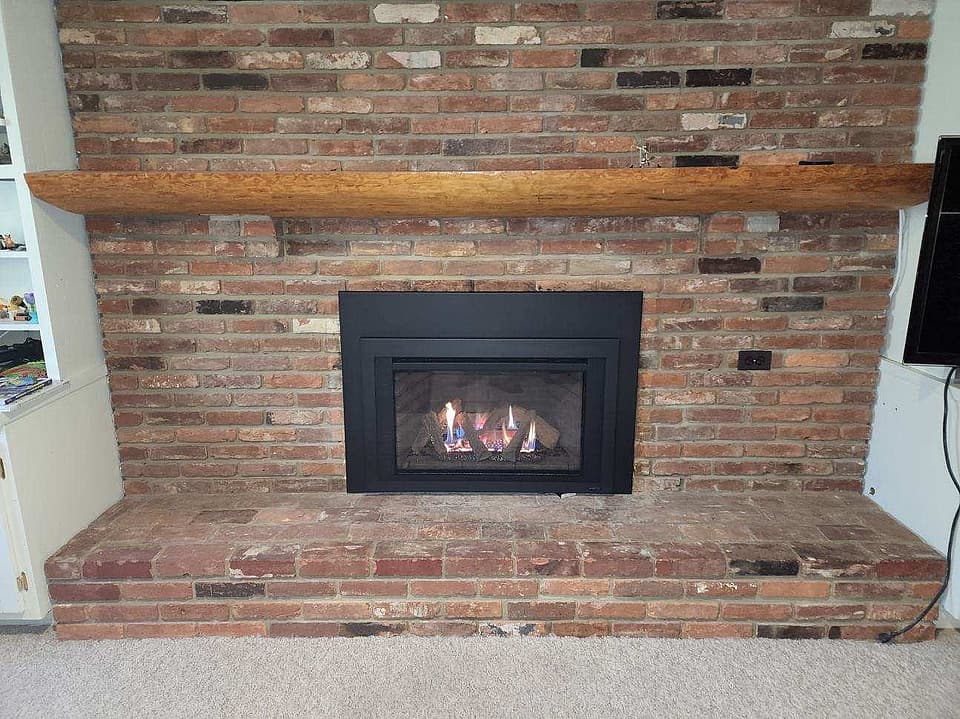
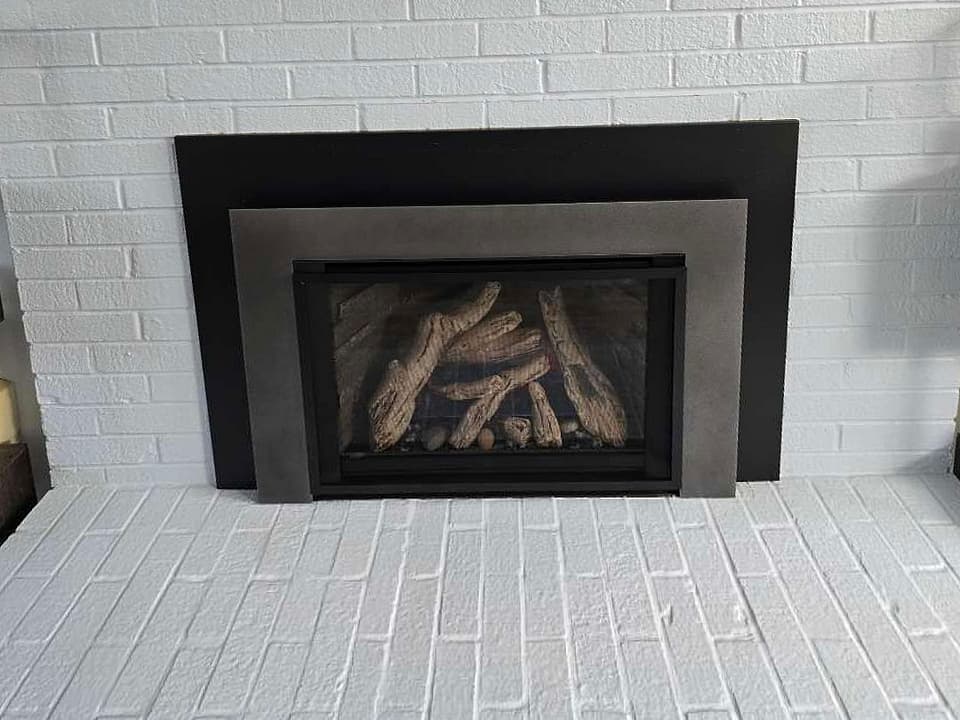
Trinity Chimney Service offers clean-burning gas hearth options in Catonsville, Ellicott City, Elkridge, Severn, and nearby, delivering dependable heat, simple operation, and a finished look.
For homeowners who want real flame and real heat without the maintenance that comes with wood, gas fireplaces, stoves, and inserts are worth a close look. Available in natural gas and propane configurations, these appliances suit a wide range of home setups and heating needs. Trinity Chimney Service installs and services gas hearth appliances throughout Central Maryland with the credentials and honest guidance the decision deserves.
Maintenance Matters
All three gas appliance types require annual service. Trinity Chimney Service performs gas appliance service for all three configurations throughout Central Maryland with NFI-credentialed technicians and a process that covers the full system, not just the visible components.
The Benefits
Choosing between gas and wood comes down to your lifestyle and heating priorities. While wood provides unmatched atmosphere and intense traditional heat, gas offers effortless convenience, precise temperature control, and low-maintenance operation. For many homeowners, gas proves to be the ideal choice due to several key advantages:
Ignite fires instantly using a remote or wall switch without dealing with kindling or warm-up time.
Produces zero ash and no creosote buildup, making daily upkeep simple and keeping living areas tidy.
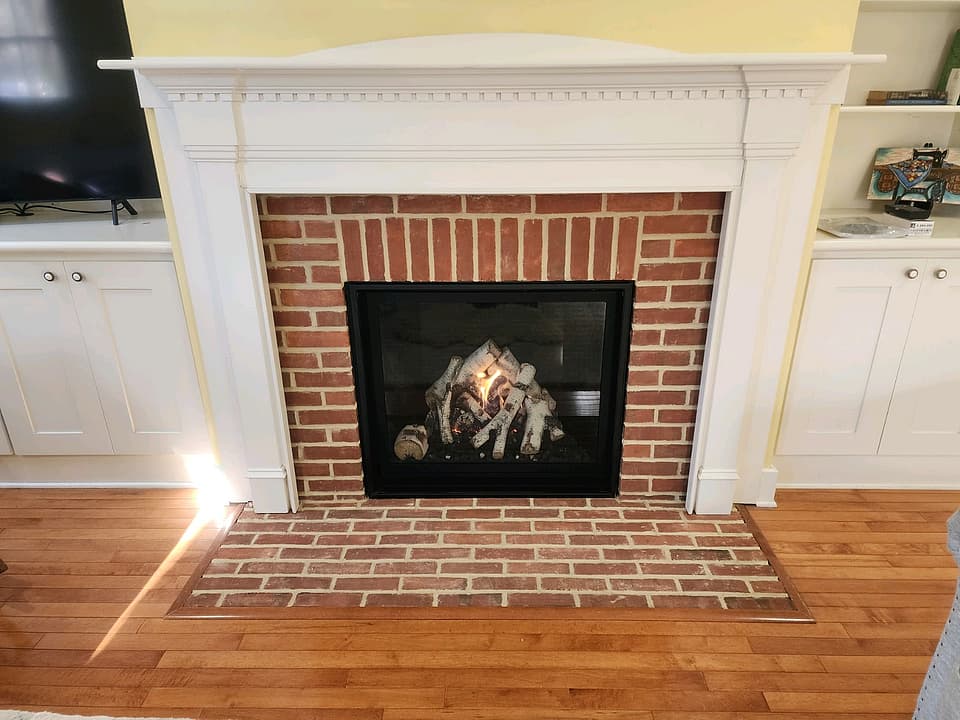
Converts underused masonry or factory-built fireplaces into high-performing gas heating systems.
Heats the specific room you use most without raising energy costs across the entire house.
Complements any interior design, ranging from classic log arrangements to modern linear glass setups.
Backed by NFI-guided appliance sizing, precise venting setup, and proper gas line connections.
What to Expect
Trinity Chimney Service combines family-run values with CSIA and NFI credentials to deliver tailored hearth solutions. We assess your home’s vent path, gas lines, structural clearances, and room layout before recommending a system. From installation to final walkthrough, we protect your property and ensure your unit meets strict manufacturer standards.
Backed by NFI Master and Woodburning credentials, along with CSIA and F.I.R.E. certified inspectors.
Direct-vent, B-vent, and insert options matched specifically to your chimney setup, never forced to fit.
Clean work areas using drop cloths, careful handling of gas lines and trim, and transparent project execution.
Straightforward guidance that includes recommending wood or electric options if gas is not the right fit.
How It Works
Call 443-602-4306 or request an appointment online. Tell us whether you want a fireplace, stove, or insert.
We measure the opening, check venting and gas, and help you choose a unit that fits the room and the flue.
Certified techs install, test, and walk you through operation. We also offer next steps for caps, sweeping, or service if needed.
Customer Reviews
See More ReviewsIf you need outstanding people to clean, repair, or answer any question about fireplaces or chimneys, call Trinity. We had Trinity convert two fireplaces from wood to propane gas. Terrific job!
Mark B.
Verified Customer
The service technician was on time and efficient in his job servicing my gas fireplace. He was courteous and professional and knowledgeable about the system. The company was easy to deal with in terms of scheduling and Billing.
Jessica C.
Verified Customer
Excellent service, installation, communication and price! Highly recommend! Great people!
Zachary M.
Verified Customer
FAQs
Smart home compatibility depends on the specific appliance, its control system, and what the manufacturer supports. Many newer gas fireplaces, stoves, and inserts come equipped with or can be retrofitted with thermostatic remote systems, Wi-Fi-enabled receivers, or smart thermostat compatibility that allows integration with platforms like Google Home or Amazon Alexa. Older units with millivolt control systems can often be upgraded with a compatible receiver without replacing the entire appliance.
A few things worth understanding before assuming compatibility:
Trinity can evaluate your specific appliance and control system during a service visit and advise on what integration options are actually supported.
A gas fireplace, stove, or insert will add to monthly gas consumption, but for most homeowners using the appliance as a supplemental heat source, that impact is reasonable relative to what the appliance delivers. Several factors shape how noticeable the change actually is:
Whether a gas appliance operates during a power outage depends on the type of ignition system it uses. This is one of the more practically important questions homeowners should understand about their specific appliance before they need the answer.
Appliances with a millivolt standing pilot system generate their own electrical current through the thermocouple and don't rely on household power to operate. These systems will typically function normally during an outage as long as gas supply is maintained.
Appliances with electronic ignition systems require household power to ignite and, in many cases, to run the blower and control board. Without power, these units won't operate even with gas available.
Some appliances include battery backup systems that allow limited operation during an outage. Trinity can confirm what type of ignition system your appliance uses during a service visit and advise on backup options if outage performance is a priority.
Gas appliances can function as a primary heat source in certain situations, but whether a specific appliance is appropriate for that role depends on its BTU output, the size of the space being heated, the home's insulation quality, and how the appliance is vented.
Most gas fireplaces are designed and rated for supplemental or zone heating rather than whole-home heat delivery. Gas stoves tend to have higher BTU ratings and are better suited for primary heating in defined spaces. Inserts occupy a middle ground, converting an existing fireplace opening into a more efficient heat source than the original system provided.
A few practical considerations:
Trinity evaluates heating goals during the consultation process and recommends appliances sized appropriately for the intended use.
Most modern gas fireplaces, stoves, and inserts offer some degree of flame adjustment, though the range of control varies by manufacturer, model, and control system. On appliances with basic on/off or high/low valve configurations, flame height adjusts within a fixed range. On higher-end units with modulating valves and remote or thermostat controls, flame height and heat output can be adjusted across a broader spectrum.
Beyond height, a few other factors influence flame appearance:
If the flame appearance on a gas appliance has changed noticeably, that's worth raising at the next service visit. It often points to a burner or port issue rather than a control system problem.
Most gas appliance issues fall into a predictable set of categories, and the majority become more likely when annual service is deferred. Trinity encounters the following most frequently across gas fireplaces, stoves, and inserts:
Annual service catches most of these before they result in an appliance that stops working entirely.
Central Maryland
We travel throughout Howard, Baltimore, Carroll, and Anne Arundel counties, bringing certified chimney and fireplace expertise to neighbors across Central Maryland.
Reach Out Today
Trinity Chimney Service installs and services gas fireplaces, stoves, and inserts across Central Maryland with NFI-credentialed technicians and honest recommendations matched to your home and how you plan to use the system. Whether you're starting fresh or upgrading an existing fireplace, reach out to schedule a consultation and find out which gas appliance actually fits your situation.
443-602-4306
The right hearth solution depends on the home. Our installations include factory-built fireplaces for those who want a more straightforward setup.