Combustion Gases Contained
A properly installed chimney liner keeps carbon monoxide, smoke, and combustion byproducts moving through the flue and out of the home.
Mon–Fri 8:30 AM – 4 PM
Home > Services > Chimney Relining
A properly sized liner restores draft, contains heat, and prevents combustion gases from entering living spaces throughout Annapolis, Laurel, Columbia, Elkridge, and Catonsville.
The flue liner is the most critical component of a chimney system, and when it fails, the effects extend well beyond the chimney itself. Cracked, spalled, or missing liner sections allow heat and combustion gases to contact surrounding masonry and framing, accelerating deterioration from the inside out. Chimney relining restores the integrity of the flue and returns the system to proper working condition. Trinity Chimney Service handles chimney relining throughout Central Maryland with certified technicians and liner systems selected to match the specific requirements of each installation.
Warning Signs
A damaged or missing chimney liner is rarely obvious from the fireside, and in many cases the only way to confirm the condition of the liner is through a Level 2 inspection with a video flue scan. Left unaddressed, liner deterioration affects draft performance, accelerates masonry damage, and allows combustion byproducts to migrate outside the flue.
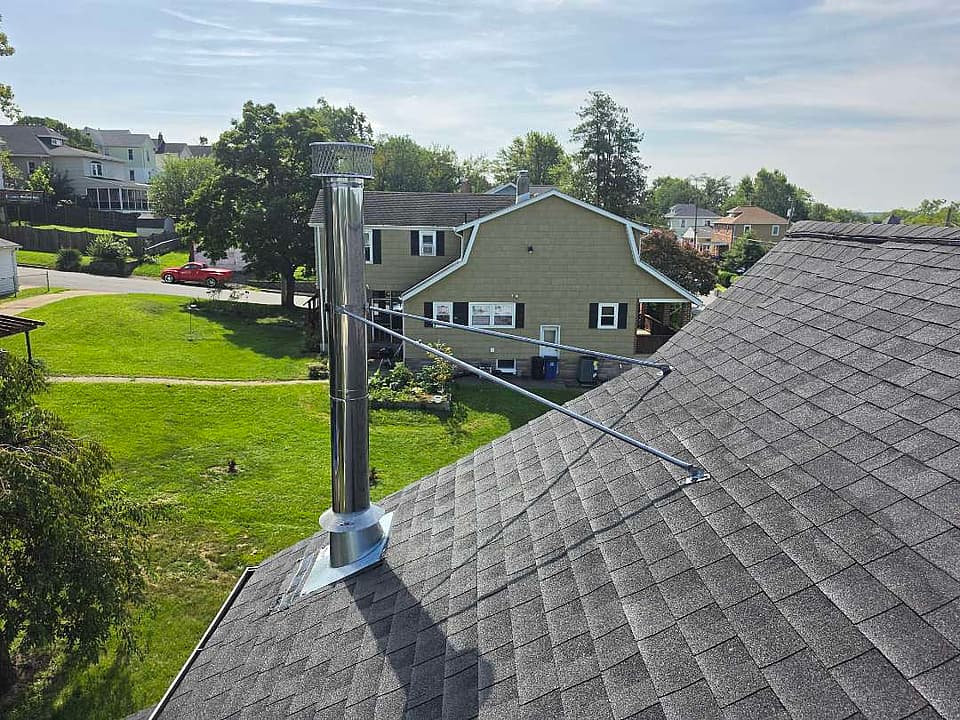
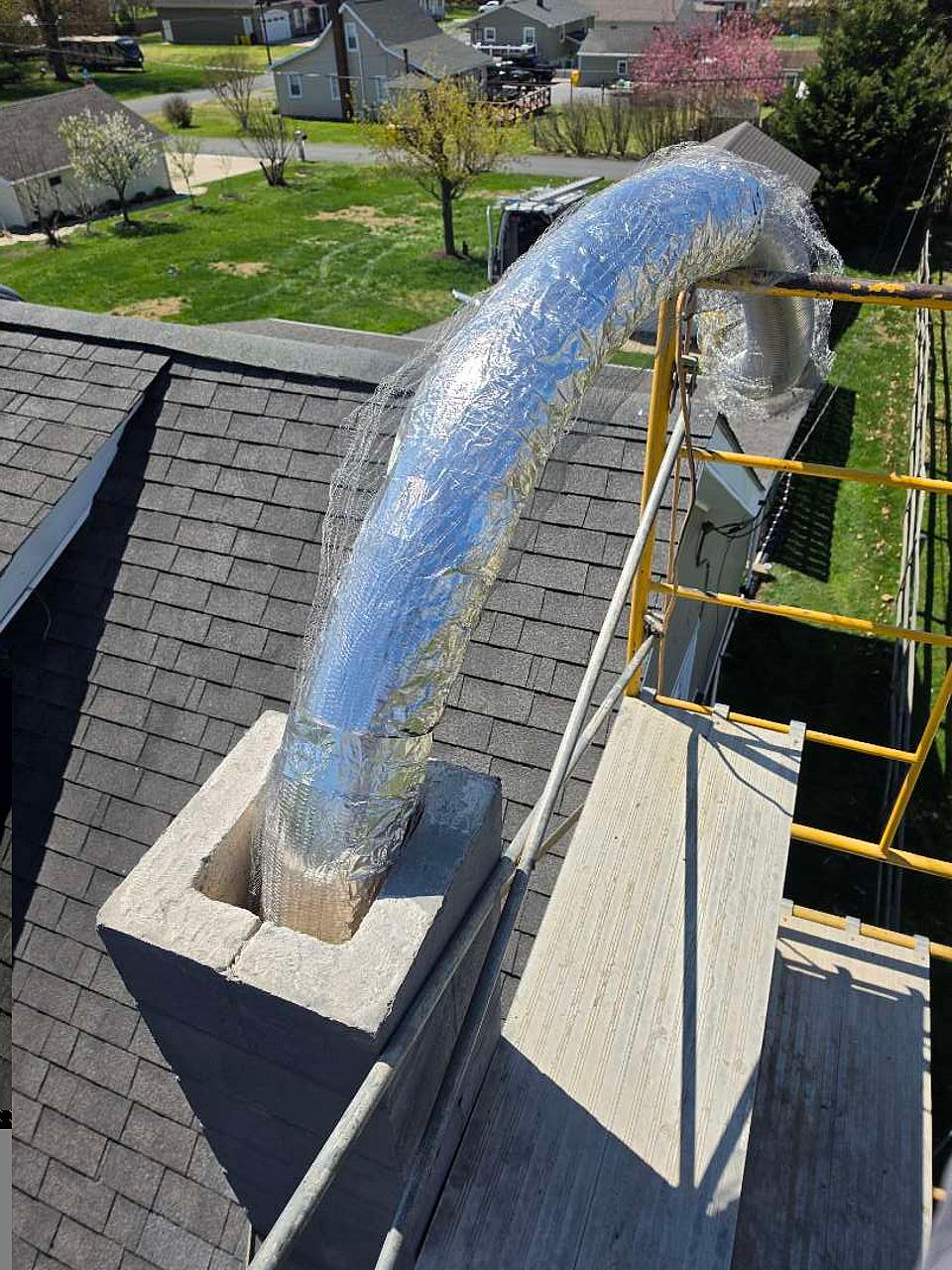
Chimney relining becomes necessary when the liner can no longer contain and direct those byproducts correctly - and a stainless steel liner is among the most durable and reliable solutions available for most residential flue setups.
Furnace/Boiler Flue Relining
We also reline furnace and boiler flues. Like your hearth's chimney, your furnace/boiler's chimney needs to be in peak condition for safety, performance, and efficiency reasons. Don't just assume your furnace/boiler service company is keeping an eye out - have us take a look.
The Benefits
The lining of the chimney is meant to protect the masonry against the intensely hot temperatures, corrosive gases, and byproducts produced by the fire. It's also meant to provide a smooth, airtight surface that prevents heat from transferring to framing and insulation, and that streamlines and speeds up the path for byproducts to exit the chimney.
A properly installed chimney liner keeps carbon monoxide, smoke, and combustion byproducts moving through the flue and out of the home.
A liner correctly sized for the appliance and flue configuration restores the draw that a deteriorated or improperly sized liner was compromising.
Relining keeps heat and acidic combustion byproducts off the surrounding brick and mortar, slowing the deterioration.
Furnaces, boilers, and water heaters have specific venting requirements. Chimney relining ensures the liner matches what the appliance needs.
Relining eliminates the cracks and gaps in a deteriorated liner that allowed combustion byproducts and odors to migrate into the living space.
Every chimney relining project leaves you with a liner matched to the appliance and documentation of the work performed.
What to Expect
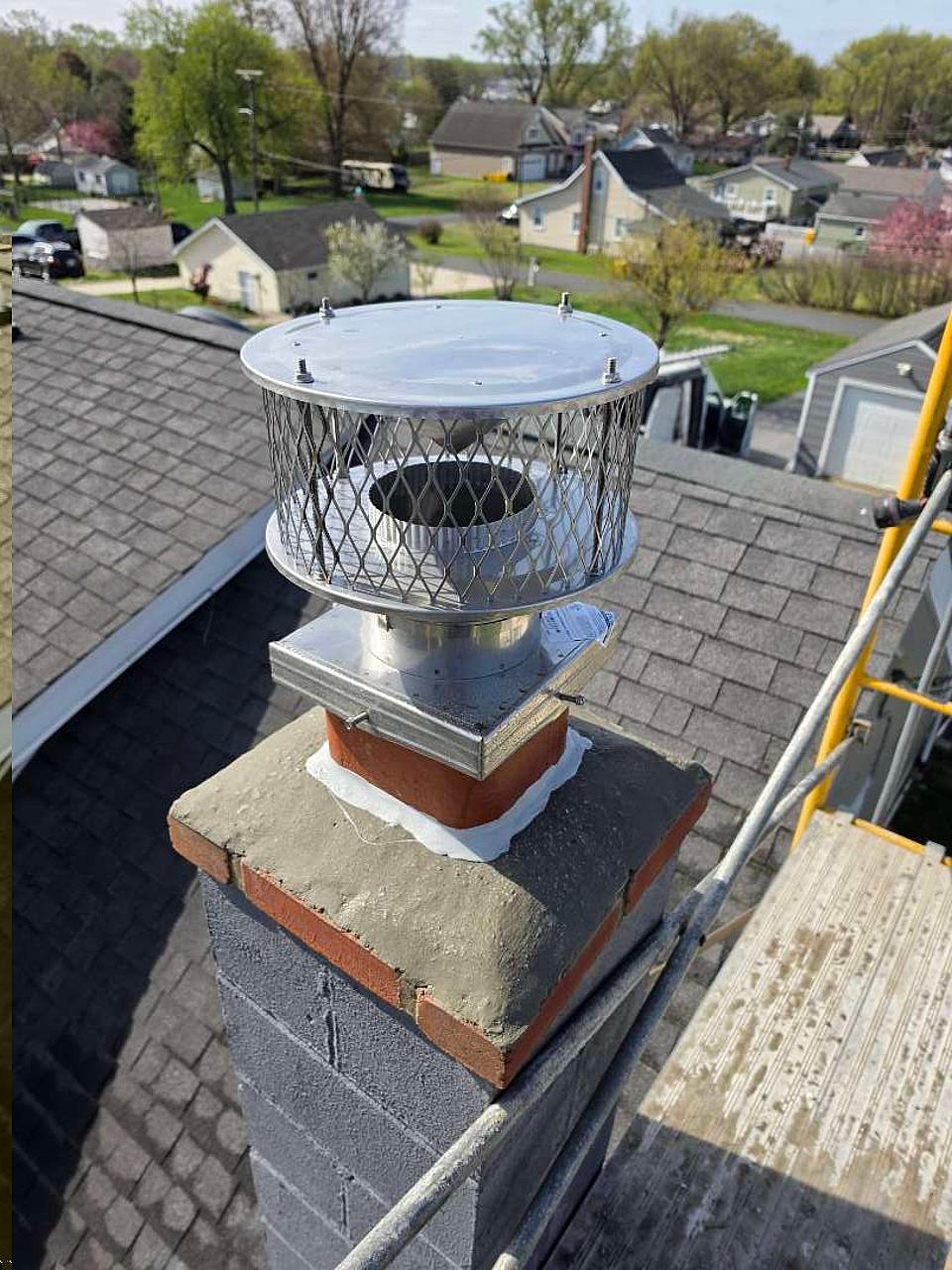
Protect your investment with expert chimney relining from our family-owned team. Holding CSIA, NFI, and F.I.R.E. certifications, we size your liner correctly, protect surrounding floors, and install high-quality lining systems. We deliver clear findings and recommended solutions without high-pressure upsells. Licensed and insured under MHIC #114994.
Drop cloths, containment, and careful workmanship keep soot and debris out of living spaces.
CSIA, NFI, and F.I.R.E. credentials, plus OSHA 10—above minimum trade standards.
Fireplaces, boilers, furnaces, and water heaters each get a liner matched to their venting needs.
We show you what we see and recommend only the liner and related repairs you actually need.
How It Works
Call 443-602-4306 or request an appointment online, and we'll find a time that works for you.
A certified technician evaluates the flue, specifies the liner, and installs it with care for your home.
We walk you through the relined system and any related masonry or cap work.
Customer Reviews
See More ReviewsI've used Trinity multiple times over the past few years. First to resolve issues with my fireplace and chimney, then to reface the fireplace, and more recently for maintenance/chimney sweep. They've always been on time, do great work, and take the time to explain everything that's going on.
Brian S.
Verified Customer
Very professional workers- polite and wear shoe covers as well as floor tarps to protect your floors from damage. They are very fast and explain all their work- any questions you have. Have them tell you what type of chimney they need to install and the different prices. Excellent service.
Karen S.
Verified Customer
I've used Trinity Chimney Service twice and I must say that based on their knowledge, skill, and quality of service, I wouldn't use anybody else. Last year, I had them rebuild the top of my chimney because of the failing chimney cap which was cracking badly and pieces literally falling off to the ground.
John R.
Verified Customer
FAQs
A damaged liner doesn't stay in its current condition. It deteriorates further with every fire, every heating cycle, and every season of exposure to moisture and temperature fluctuation. The consequences compound over time and extend well beyond the liner itself.
The longer a damaged liner goes unaddressed, the more of the surrounding system it affects.
Liner sizing isn't arbitrary. The diameter of the flue liner is calculated based on the specific appliance connected to it, and a liner that's too large or too small creates performance and combustion problems that don't resolve on their own.
A liner that's too large for the connected appliance produces poor draft. The flue takes too long to warm up, combustion gases move too slowly, and the system becomes prone to backdrafting and accelerated creosote accumulation. A liner that's too small restricts the flow of combustion byproducts, causing gases to back up into the appliance or the living space.
For furnaces, boilers, and water heaters, improper liner sizing creates venting conditions that directly affect how completely the appliance combusts fuel. Trinity sizes every chimney relining project to the connected appliance, not to whatever the original flue happened to be built around.
Clay tile liners are the traditional standard in masonry chimney construction, and they perform adequately when the tiles are intact and properly sized for the appliance. The problem is that clay tile is brittle, vulnerable to thermal shock, and difficult to inspect or repair without significant access. When a tile liner cracks or shifts, sections can't simply be replaced without extensive work.
Stainless steel liners address most of the limitations that clay tile presents:
Trinity specializes in stainless steel liner installation because the performance and longevity advantages over clay tile are well-documented and consistent across applications.
Stainless steel liner installation doesn't require tearing apart the chimney structure, which is one of its practical advantages over other relining methods. The general process Trinity follows includes:
The finished installation is documented, and Trinity provides a walkthrough of the completed work before the appointment concludes.
In most residential chimney relining situations, the chimney does not need to be dismantled. Flexible stainless steel liner systems are specifically designed to navigate the existing flue from the top down, threading through the interior without requiring removal of brick, mortar, or surrounding structure. That's one of the primary reasons stainless steel is the preferred relining solution for most applications.
There are circumstances where access to the flue interior is more complicated:
Trinity's pre-installation inspection process identifies these conditions before work begins, so there are no surprises once the project is underway.
Most residential chimney relining projects are completed in a single day. The actual installation of a flexible stainless steel liner is a relatively contained process once the pre-installation inspection has confirmed the flue is clear and the correct liner has been selected and sourced. A standard fireplace or appliance relining typically runs three to five hours from setup through final connection and documentation.
A few factors can extend the timeline:
Trinity provides a realistic timeline estimate once the pre-installation assessment is complete. The goal is to finish the project in a single visit whenever the scope allows for it.
Central Maryland
We travel throughout Howard, Baltimore, Carroll, and Anne Arundel counties, bringing certified chimney and fireplace expertise to neighbors across Central Maryland.
Get in Touch
A damaged or deteriorated flue liner isn't something that improves on its own, and the longer it goes unaddressed, the more of the surrounding system it affects. If a liner issue has been identified or your chimney hasn't been evaluated in years, contact Trinity to find out where things actually stand.
443-602-4306
A properly relined chimney performs better from top to bottom. Our services maintains that integrity with chimney crown repair.