Reduced Fire Risk
Clearing wood-fire creosote lowers the chance of a dangerous flue fire.
Mon–Fri 8:30 AM – 4 PM
Home > Services > Wood Fireplaces, Stoves & Inserts
Trinity Chimney Service installs wood-fired hearth systems across Elkridge, Columbia, Ellicott City, Laurel, Towson, and nearby areas for cleaner burns, stronger draft, and reliable home protection.
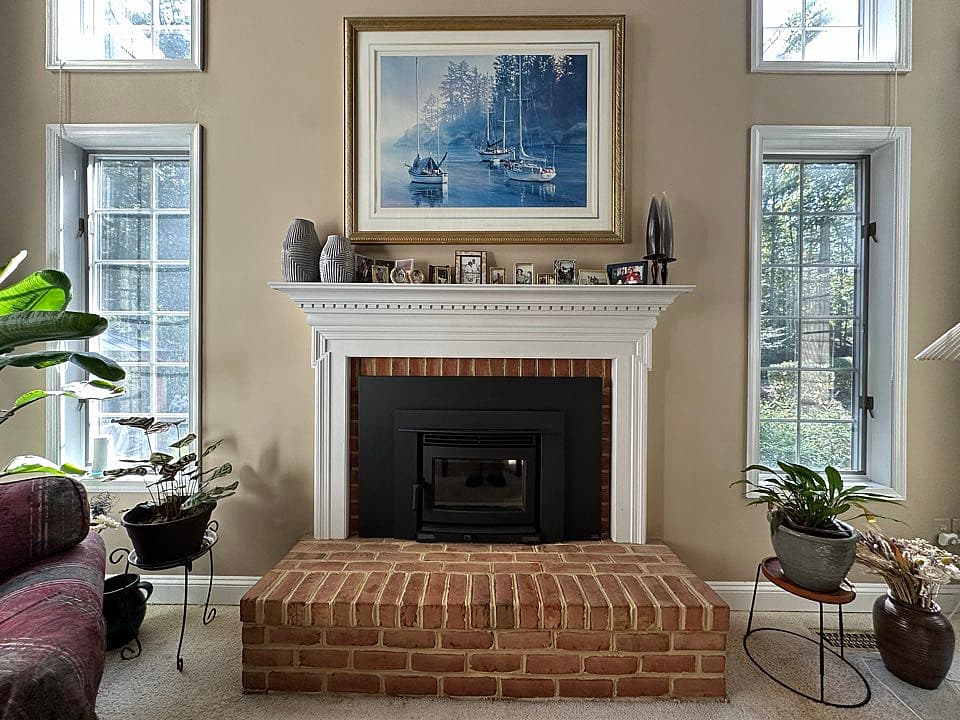
Wood-burning fireplaces, stoves, and inserts remain the preferred choice for homeowners across Ellicott City who want real heat output and an authentic fire experience. From precision wood stove installation to fireplace inserts that retrofit into existing openings, Trinity Chimney Service supports homeowners throughout Central Maryland.
Comparing Options
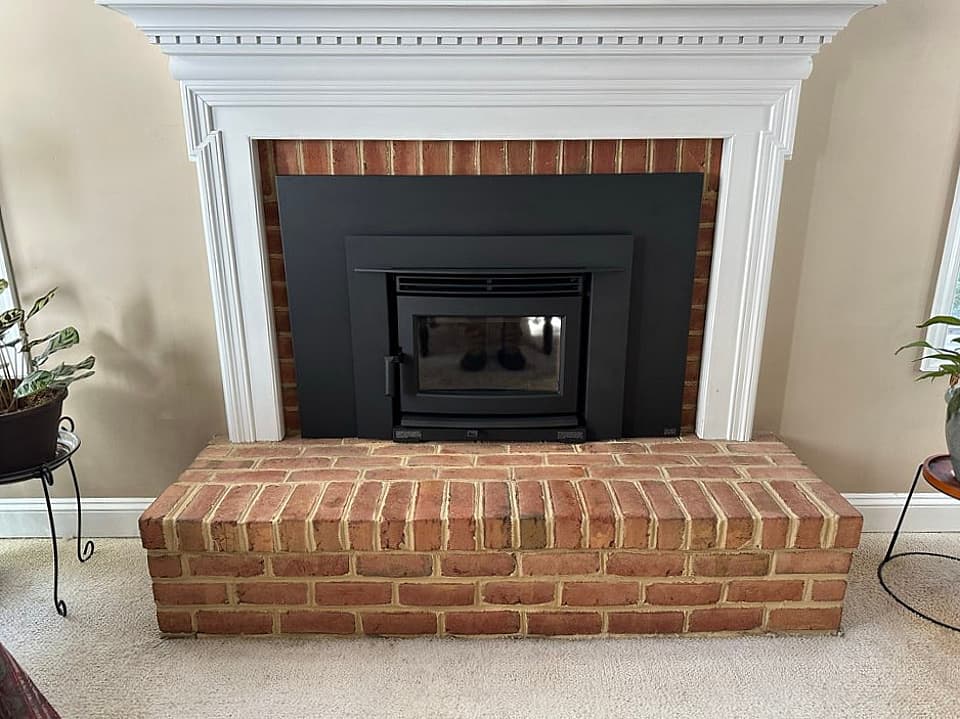
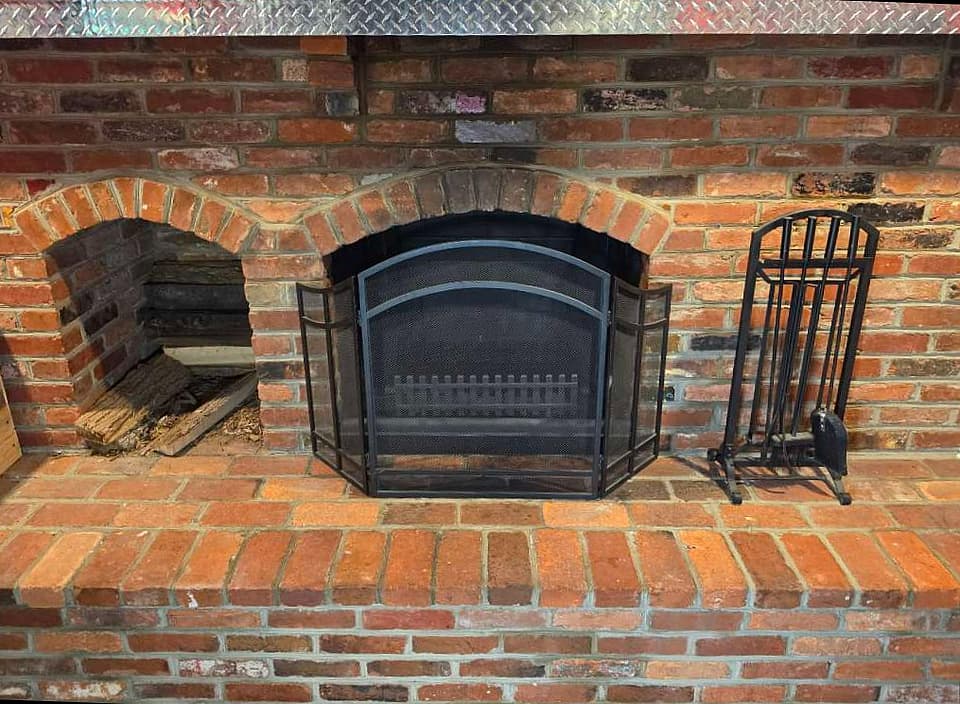
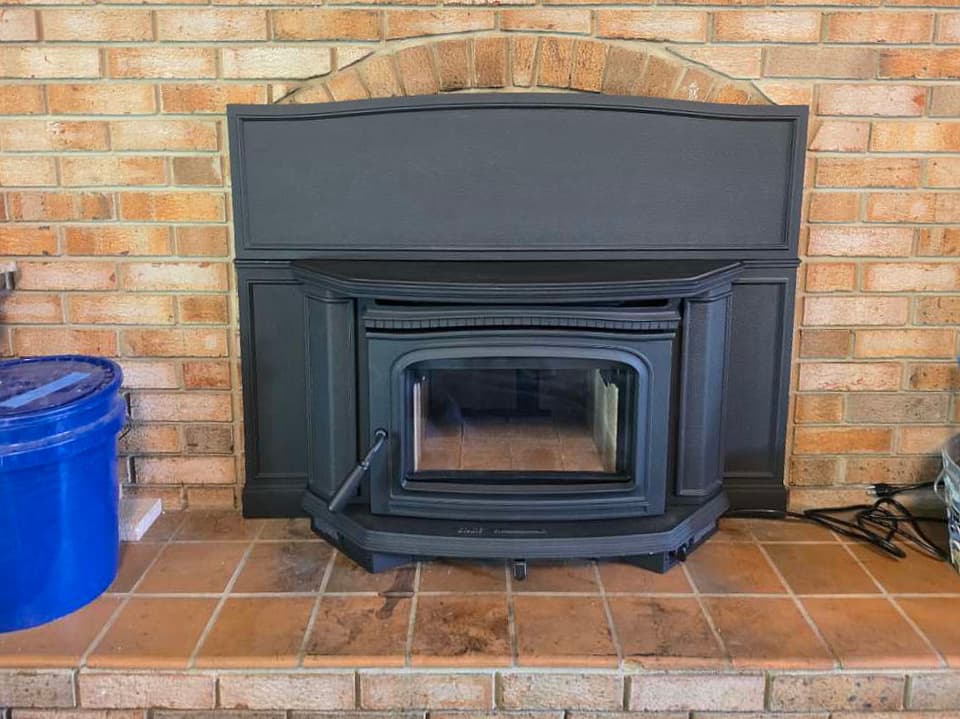
A wood stove and a fireplace insert are both wood-burning appliances that produce real heat, but they're designed for different situations and installed differently. The distinction matters when it comes to venting requirements, installation scope, and how the appliance fits into the existing structure of the home. Trinity Chimney Service installs both throughout Central Maryland and helps homeowners identify which system actually fits their space and heating goals.
The Benefits
Wood-burning appliances aren't the right answer for every home, and Trinity doesn't treat them as the default. Gas fireplaces and inserts offer convenience and lower maintenance demands. Electric units work in spaces where neither a flue nor a gas line is practical. Wood makes sense when the home can support the venting requirements and the homeowner wants the heat output and experience that comes with it. Some benefits of wood include:
Clearing wood-fire creosote lowers the chance of a dangerous flue fire.
A properly matched unit and clean flue help fires burn hotter and cleaner.
Prevents smoke, soot, and harmful combustion gases from backing into living spaces.
Catches small liner, damper, and insert issues early before they escalate.
Protects the integrity of the masonry or factory-built system you invested in.
Professional installation and annual service keep your wood hearth thoroughly inspected and on record.
What to Expect
Trinity Chimney Service brings CSIA- and NFI-certified care to every home. From wood stove installation to conducting mess-free sweeps with HEPA vacuums, specialized brushes, and protective drop cloths, we protect your living space while inspecting as we go. You get a thorough assessment of your entire system in one visit.
Drop cloths, HEPA vacuums, and careful containment prevent soot and dust from entering your living spaces.
Our team holds CSIA, NFI Woodburning, and F.I.R.E. certifications to exceed industry standards on every job.
Every wood-hearth sweep includes a standard Level 1 inspection, with Level 2 and Level 3 evaluations available.
We share clear findings on your liner, cap, or insert options, recommending only the repairs you actually need.
How It Works
Call 443-602-4306 or request an appointment online, and we'll find a time that works for you.
A certified technician protects your home, evaluates the wood fireplace, stove, or insert, and sweeps the flue.
We walk you through appliance options, chimney condition, and honest recommendations without pressure.
Customer Reviews
See More ReviewsOUTSTANDING SERVICE AND PRODUCTS! WOULD HIGHLY RECOMMEND TRINITY FOR FIREPLACE AND WOOD STOVE SERVICE AND REPLACEMENT. THE PROFESSIONAL TEAM ARRIVED ON TIME, CLEANED MY FIREPLACE AND WOOD STOVE PIPE. JEREMY GAVE US OPTIONS ON A REPLACEMENT WOOD STOVE THAT WOULD WORK FOR US. IT LOOKS AND WORKS GREAT AND WE ARE VERY HAPPY.
Robert H.
Verified Customer
We had Trinity convert two fireplaces from wood to propane gas. Terrific job! We've had cleanings every couple of years since with similar results; these guys are superb fireplace technicians!!
Mark B.
Verified Customer
We recently purchased a home with a Regency insert. During their thorough inspection, he took time to help us understand how it operates and how best to maintain the system. We will definitely be using them again for all our chimney work. We highly recommend!
A. W.
Verified Customer
FAQs
Heat output varies significantly across the three options, and the differences come down to how each appliance manages combustion and where the heat actually goes.
A traditional wood fireplace is the least efficient of the three. Most of the heat it generates exits through the flue rather than entering the room, making it more of an ambiance appliance than a reliable heat source.
A wood stove is designed specifically for heat output. With a sealed firebox and controlled airflow, a properly sized stove delivers significantly more usable heat per cord of wood than an open fireplace.
A wood insert occupies a middle position. It converts an inefficient open fireplace into a sealed, higher-output system by fitting a stove-like unit into the existing opening and connecting it to a liner. For homes with an existing fireplace, an insert often delivers stove-level efficiency without the freestanding footprint.
Whether a wood stove or insert can heat an entire home depends on factors specific to the home itself, not the appliance category. A well-insulated, open-plan home with a centrally located stove behaves very differently from a multi-story home with closed rooms and poor insulation.
A few considerations that shape the answer:
Trinity sizes appliances to the space during the consultation process rather than making blanket claims about whole-home heating capability.
For heating a single room, the better option depends on whether an existing fireplace is present and what the room's layout can accommodate.
A wood insert makes sense when there's an existing fireplace in the room that's currently providing little to no usable heat. It converts that opening into an efficient heat source without adding a freestanding appliance to the room's footprint.
A wood stove is the more appropriate choice when:
Both options can heat a single room effectively when properly sized. The starting point is what the room currently has and what it can realistically support from a venting standpoint.
Wood fireplaces, stoves, and inserts all require a properly lined flue, but the specific venting requirements differ across the three and are determined by the appliance type, the installation location, and what's already present in the home.
A traditional wood fireplace typically vents through an existing masonry flue, which must be in serviceable condition and properly sized for the firebox.
A wood stove connects to either an existing masonry chimney via a liner or a new Class A factory-built chimney system, depending on where in the home it's installed and whether an existing flue is accessible.
A wood insert connects directly to the existing chimney through a stainless steel liner that runs the full length of the flue, creating a sealed venting system between the insert and the chimney top.
Trinity evaluates the existing venting situation during the consultation and specifies what each installation actually requires before any appliance is selected.
An existing wood fireplace left in its original open configuration is one of the least efficient heating systems in a home. The firebox draws conditioned air from the room, sends most of the heat up the flue, and returns relatively little warmth to the living space. Leaving it as is makes sense if the fireplace is used strictly for ambiance and the homeowner has no expectation of meaningful heat output.
A wood insert changes that equation considerably. By sealing the existing firebox opening and connecting to a properly sized liner, an insert converts a low-efficiency system into one that produces real, usable heat. The existing surround and mantel are typically retained, so the visual footprint of the fireplace doesn't change dramatically.
For homeowners who want the fireplace to contribute meaningfully to heating the space, an insert is a more practical long-term investment than continuing to burn wood in an open firebox.
All three require annual chimney inspections, and the reasoning applies equally across the appliance types. Each produces creosote as a byproduct of combustion, connects to a flue that can develop blockages or structural concerns, and relies on venting components that degrade over time.
The inspection level appropriate for each situation can vary:
Wood stoves and inserts have additional components, including door gaskets, catalytic combustors on some models, and liner connections, that get evaluated as part of the inspection process. Trinity inspects all three appliance types and follows the same NFPA 211 standards regardless of what's connected to the flue.
Central Maryland
We travel throughout Howard, Baltimore, Carroll, and Anne Arundel counties, bringing certified chimney and fireplace expertise to neighbors across Central Maryland.
Get In Touch
Wood fireplaces, stoves, and inserts are long-term investments that start with the right appliance selection and a proper installation. Trinity Chimney Service handles both throughout Central Maryland with certified technicians and straightforward recommendations. If you're ready to explore your options, contact us to schedule a consultation and find out what your home can support.
443-602-4306
Wood burning is a strong choice for many Central Maryland homes, but it's not the only one. Our installations include gas fireplaces, stoves and inserts for homeowners who want reliable heat with less upkeep.