Structural Integrity
Replaces unstable masonry so the chimney stands plumb and vents properly as designed.
Mon–Fri 8:30 AM – 4 PM
Home > Services > Chimney Construction & Full/Partial Rebuilds
We rebuild structural masonry correctly, ensuring your chimney remains weathertight, durable, and fully operational across Ellicott City, Catonsville, Severn, and Annapolis.
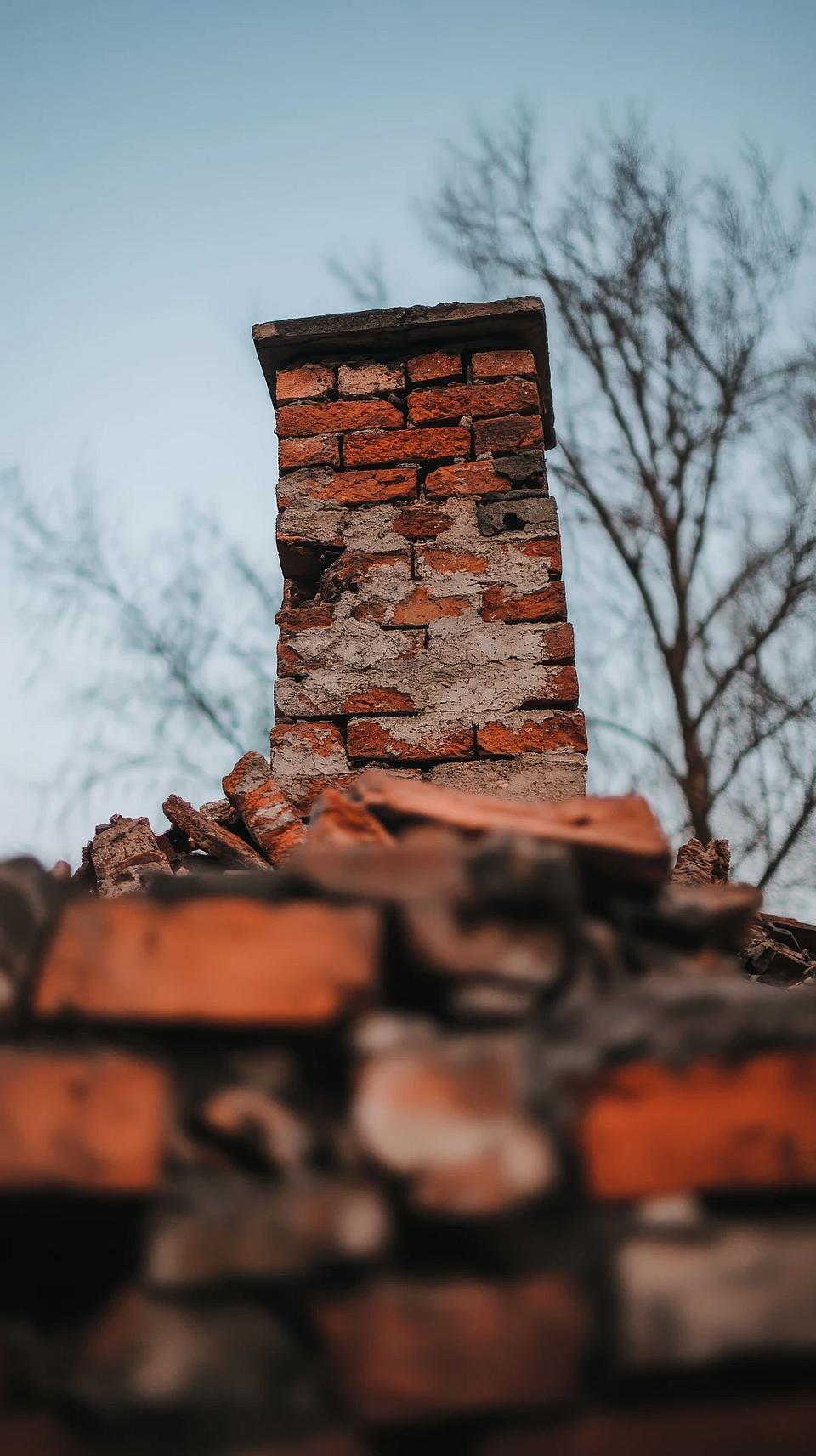
Water, weather, neglect, and age are all things can ruin a masonry chimney, triggering decay, deterioration, and breakdowns – leaving you wondering just how much longer your chimney has left. The best place to start is to schedule a chimney inspection with the certified chimney pros at Trinity Chimney Service. We can assess the damage, figure out what’s causing it, and determine just what needs to be done to salvage and revive it your chimney flue system.
Structural Effects
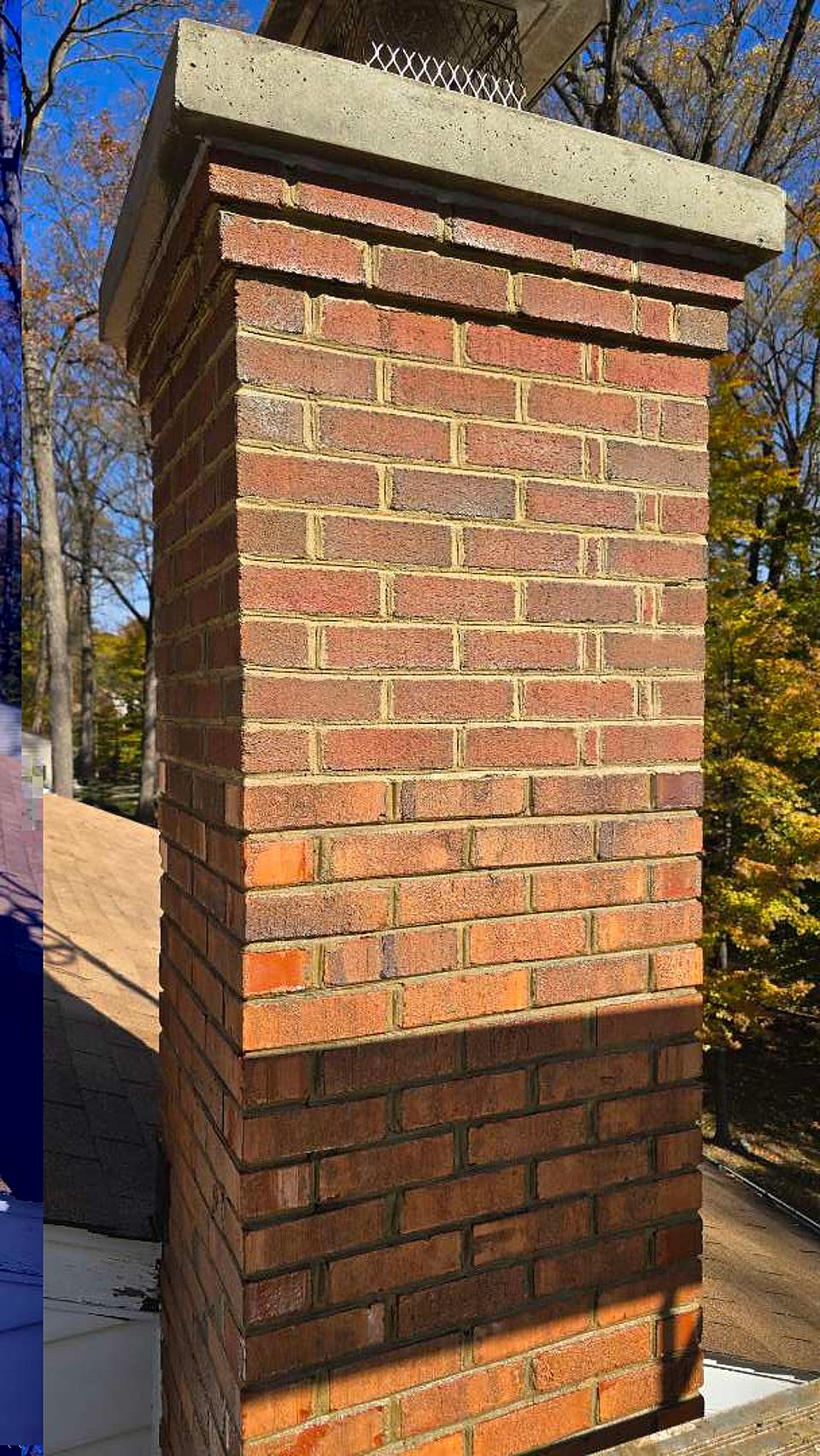
A failing chimney doesn't stay contained to the chimney. Deterioration that starts in the masonry, liner, or flashing works its way into the surrounding structure over time, affecting interior finishes, framing, air quality, and the long-term condition of the home itself.
The damage is rarely dramatic at first, which is precisely why it compounds to the point where repairs become significantly more involved than they would have been with earlier intervention. Trinity Chimney Service approaches chimney assessment with the full picture in mind, not just the chimney in isolation.
Lasting Construction
We deliver a sound chimney that sheds water efficiently and supports proper system venting, whether we rebuild or reconstruct the stack from the roof line up.
The Benefits
Replaces unstable masonry so the chimney stands plumb and vents properly as designed.
Restores brick, mortar, and crown details to keep rain out of your roof and chimney interior.
Creates a solid, continuous masonry barrier to isolate heat, smoke, and embers within the venting system.
Blends new masonry seamlessly with existing brickwork so the rebuild matches your home’s architecture.
Rebuilds deteriorated sections early to eliminate urgent structural failures down the road.
Documents structural conditions clearly and rebuilds only what the chimney genuinely requires.
How We Fix It
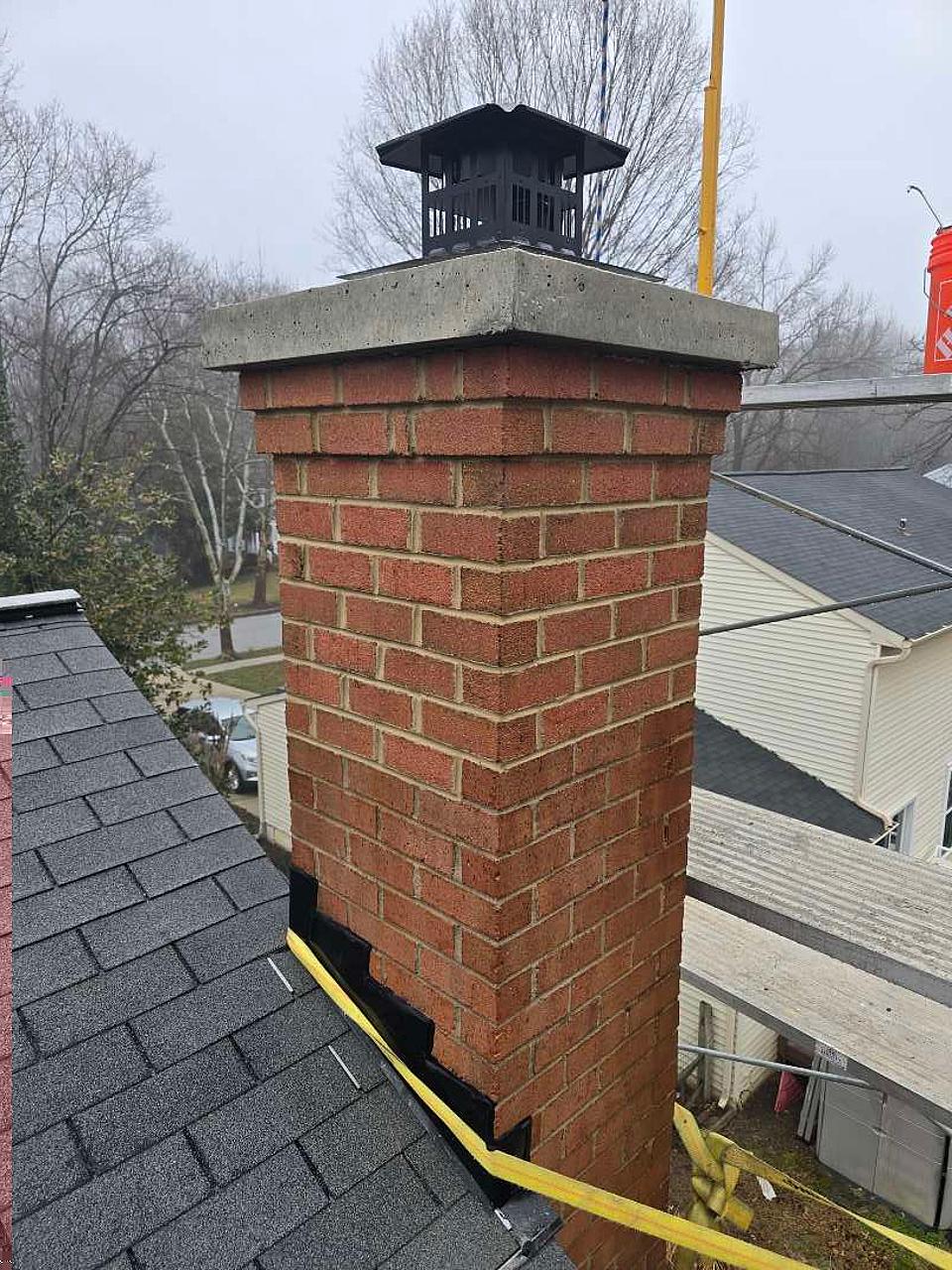
Trinity combines family-run dedication with CSIA-certified craftsmanship. We protect your living space, rebuild failing structural masonry to exact code standards, and install matching caps, crowns, and flashing designed to work seamlessly alongside our tuckpointing and waterproofing services.
Uses heavy drop cloths, careful staging, and complete cleanup to keep your property spotless.
Deploys CSIA, NFI, and F.I.R.E. credentialed technicians skilled in structural chimney construction.
Rebuilds only from the lowest compromised course up to full stack replacement based on objective structural needs.
Executes the exact scope quoted and recommends only essential masonry reconstruction.
How It Works
Call 443-602-4306 or request an appointment online. We’ll set a time that works for you.
We inspect the stack, flue, crown, and flashing, then outline a full or partial rebuild with clear pricing.
Certified masons rebuild the chimney, then review the finished work and any follow-up protection.
Customer Reviews
See More ReviewsThey were able to match the brick perfectly and able to upgrade the crown and cap. They were respectful not only to me but also my lawn and property, even raking and fluffing the grass up at the end of each day.
Dwight P.
Verified Customer
Last year, I had them rebuild the top of my chimney because of the failing chimney cap which was cracking badly and pieces literally falling off to the ground. They did a Class A+ thorough quality service.
John R.
Verified Customer
The over 60 year old brick chimney on my parent's house had gotten into a state of disrepair… These folks are up front, honest and dependable, and deliver as promised, at a competetive price. Did I mention they do good work?
Greg B.
Verified Customer
FAQs
The distinction comes down to how much of the chimney requires reconstruction and where the deterioration is concentrated.
A partial rebuild addresses a specific section of the chimney that has deteriorated beyond what repair work can adequately resolve, most commonly the portion above the roofline where weather exposure is greatest. The foundation and lower structure remain intact, and reconstruction is limited to the compromised section.
A full rebuild involves dismantling and reconstructing the entire chimney, from the firebox and foundation up through the crown. Full rebuilds are warranted when:
Trinity assesses both options and recommends the scope that matches the actual condition of the structure, not the more expensive path by default.
That determination requires a professional assessment, not a visual inspection from the ground. Surface deterioration rarely reflects the full extent of what's happening structurally, and the line between a repair candidate and a rebuild candidate isn't always visible without getting eyes on the masonry directly.
Trinity evaluates several factors before recommending a rebuild over targeted repair:
Tuckpointing and targeted masonry repair are the appropriate path when the structure can support them. A rebuild is recommended when it isn't, and Trinity distinguishes between the two honestly based on what the assessment actually reveals.
A chimney in advanced structural deterioration can collapse, and while full collapses are less common than gradual failure, the conditions that produce them develop incrementally over time. Mortar that has eroded through full joint depth, brick that has lost structural integrity through repeated freeze-thaw cycling, and a chimney that has begun to lean or separate from the structure are all conditions that move in one direction without intervention.
What typically happens before a collapse becomes possible:
The practical concern isn't always dramatic failure. Partial collapses, falling brick, and sections separating from the structure are more common outcomes and carry their own significant risks. Annual inspections exist specifically to identify structural progression before it reaches that point.
Rebuild timelines depend on the scope of the project, and Trinity provides realistic estimates once the assessment has confirmed what the work actually involves. General timeframes to plan around:
Weather is a factor on any masonry project. Mortar requires specific temperature and humidity conditions to cure correctly, and Trinity will not push work through conditions that compromise the finished result. If weather delays affect the schedule, that gets communicated clearly rather than worked around in ways that affect quality.
The extent to which a chimney rebuild affects the interior depends on the scope of the project. An above-roofline partial rebuild typically has minimal interior impact. The work stays outside, and interior disruption is limited to access requirements for staging and equipment.
A full rebuild that includes the firebox, smoke chamber, or lower chimney structure is a different matter. Interior access may be required for:
Trinity addresses interior protection the same way on rebuild projects as on any other service, with drop cloths, careful containment, and cleanup before the crew leaves each day. If the scope of the rebuild requires interior access, that gets communicated during the assessment so homeowners know what to expect before work begins, not after it's underway.
A chimney rebuilt to current standards with quality materials and proper construction techniques is built for long-term durability, and what determines how long it actually lasts comes down to three factors: material quality, construction execution, and ongoing maintenance.
From a durability standpoint, the key elements that determine longevity include:
A well-built chimney maintained with annual inspections and timely minor repairs can remain structurally sound for several decades. Deferred maintenance shortens that lifespan by allowing minor deterioration to compound into the kind of structural decline that required the rebuild in the first place.
Central Maryland
We travel throughout Howard, Baltimore, Carroll, and Anne Arundel counties, bringing certified chimney and fireplace expertise to neighbors across Central Maryland.
Get in Touch
If you’re considering a chimney rebuild and you’d like to discuss your project with one of our experts, give Trinity Chimney Service a call or request an appointment right here on our website. We’re committed to being your helpful resource and your trusted local chimney sweep.
443-602-4306
Sometimes a Central Maryland chimney needs more than repairs. Our chimney restoration includes masonry repairs and tuckpointing for concerns that don't require a full rebuild.