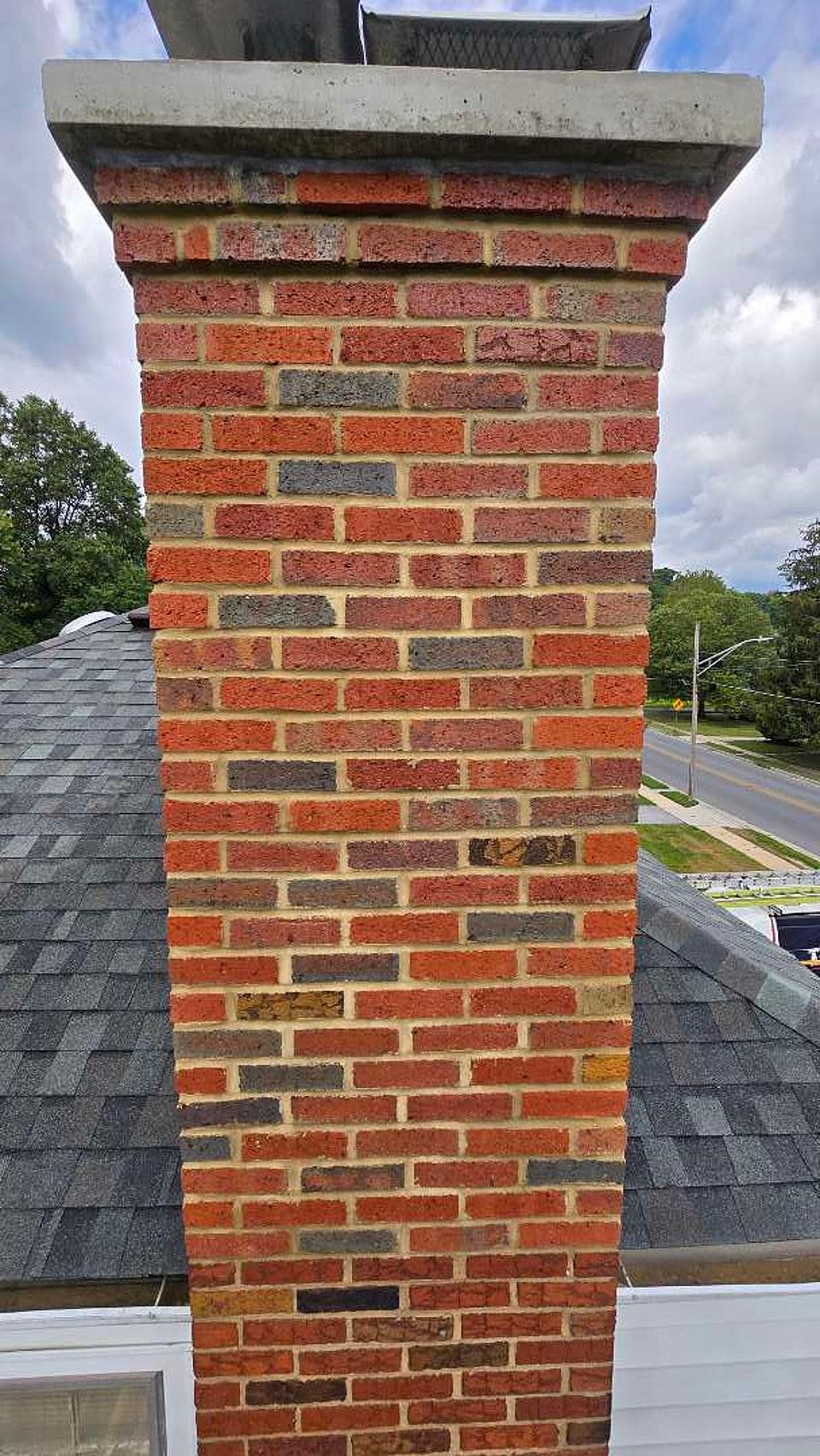
Preserved Character
Matches original brick, mortar, and profiles so the chimney seamlessly fits the home’s historical era.
Mon–Fri 8:30 AM – 4 PM
Home > Services > Historic Restoration
Our team restores sound chimney performance while preserving original character throughout Columbia, Catonsville, Ellicott City, Towson, and surrounding communities.
Being a chimney company right in the middle of the Central Maryland region, Trinity Chimney Service understands the importance of historic chimney restoration. We pride ourselves on replicating the historic look to the chimneys and fireplaces we restore, while using a product that mimics and doesn’t hurt the old brick and mortar from the original construction of the home.
Preserving History
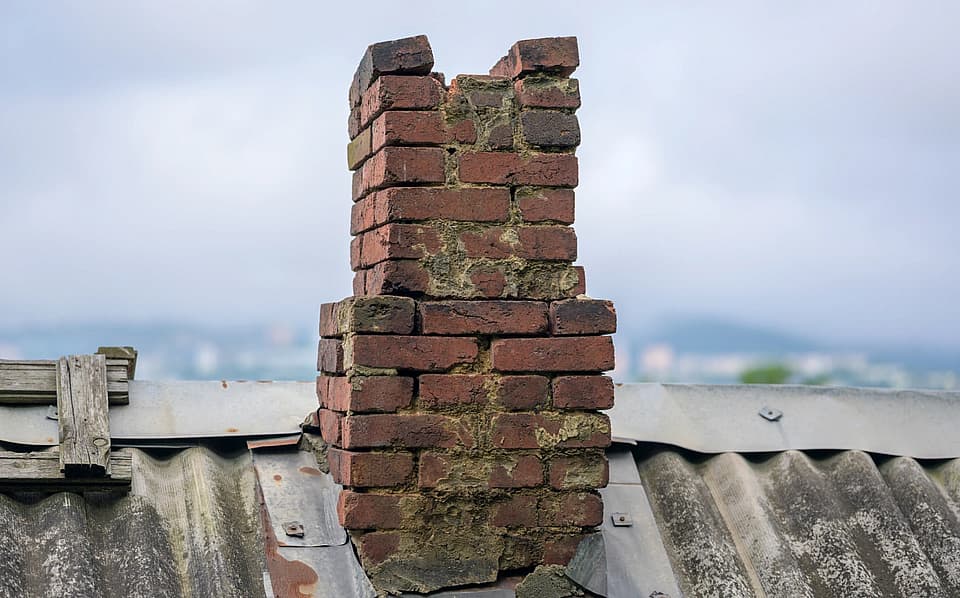
Historic chimney restoration is the process of repairing, stabilizing, and preserving older masonry chimney structures using materials and techniques that respect the original construction rather than simply patching or replacing with modern alternatives. Older chimneys were built with specific brick compositions, mortar formulations, and masonry profiles that differ significantly from contemporary materials, and using the wrong products during repair can cause more damage than it resolves.
Trinity Chimney Service approaches historic chimney restoration with an assessment process that accounts for original construction methods and selects materials matched to what the structure actually needs.
Enduring Results
A structural system that drafts efficiently and withstands the elements, built with era-matched materials that keep your home’s original character intact.
The Benefits
Matches original brick, mortar, and profiles so the chimney seamlessly fits the home’s historical era.
Brings the flue, liner, and masonry back to a fully functional condition for daily use.
Restores crowns, mortar joints, and caps to prevent water intrusion from degrading original brickwork.
Addresses failing mortar and masonry shifting early to avoid emergency rebuilds and protect remaining historic fabric.
Provides detailed restoration records to support future home inspections, insurance reviews, and buyer inquiries.
Delivers complete, fully documented craftsmanship while treating your property with complete respect.
How We Fix It
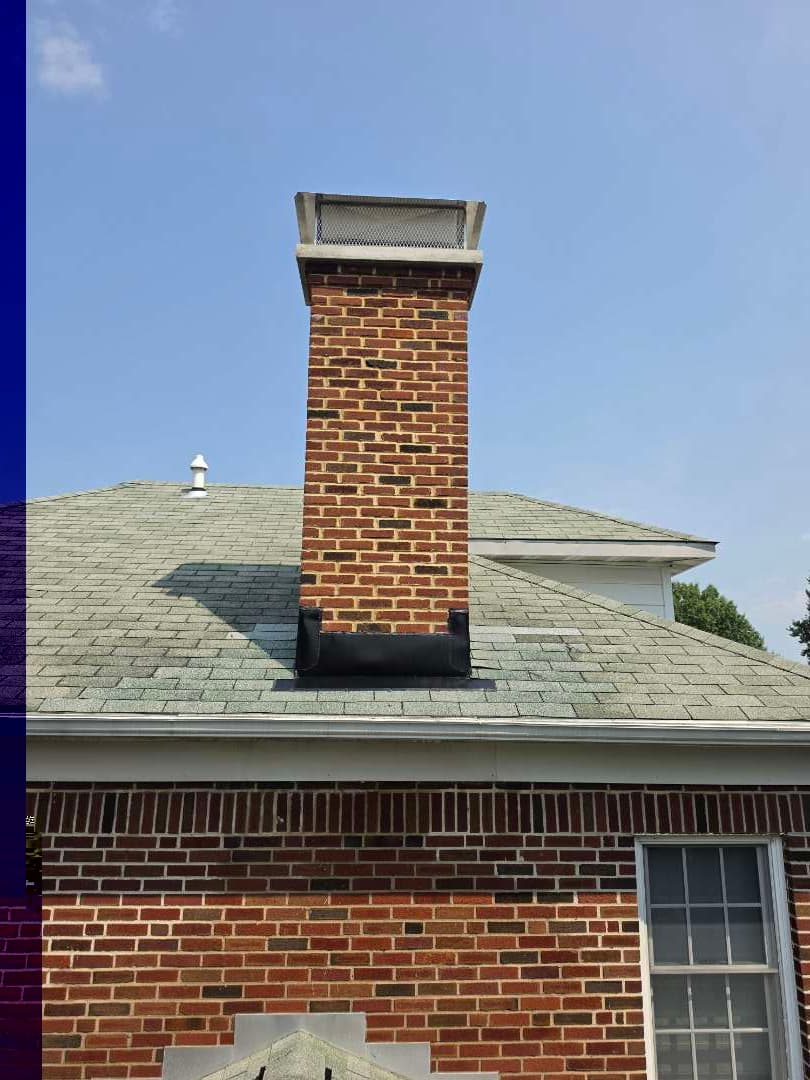
Trinity brings certified expertise and family-run dedication to historic chimney restorations. With CSIA, NFI, and F.I.R.E. credentials, our team assesses original structures, selects proper historic mortar blends, safeguards your property, and executes comprehensive repairs that preserve original character and ensure correct system draft.
Photographs and explains existing conditions so you clearly see what remains original, what failed, and why.
Selects mortar, brick, and detailing engineered to complement historic masonry rather than damage it.
Backs every project with CSIA, NFI, and F.I.R.E. credentials, supported by full licensing (MHIC #114994) and insurance.
Recommends only essential restoration work and executes the exact scope quoted without sales pressure.
How It Works
Call 443-602-4306 or request an appointment online. We’ll set a time that works for you.
We inspect masonry, flue, and period details, then outline matching methods and a clear scope.
We complete the work cleanly, protect your property, and review findings without pressure.
Customer Reviews
See More ReviewsThe over 60 year old brick chimney on my parent's house had gotten into a state of disrepair, and I began looking for someone to take on the repair work. I spoke to 4 companies, and I'm glad that Trinity Chimney Service was one of them. Their response and estimate was the easy choice.
Greg B.
Verified Customer
I delayed my review for several months to see if the work done would hold up, and I am pleased to share that it continues to look great! Thanks for a job well done and the results continue to look like the day the work was initially done.
Edie H.
Verified Customer
Trinity Chimney is shining example of local professionalism. Top quality work and customer service is provided. For those with extremely high standards and expectations, you will not be disappointed with their services.
Carl T.
Verified Customer
FAQs
Trinity's historic chimney restoration work is performed by technicians holding CSIA and F.I.R.E. certifications, with hands-on experience in period masonry assessment and material-matched repair that goes beyond what standard chimney credentials require. Historic restoration demands more than knowing how to repoint mortar. It requires understanding how older masonry systems were built, what materials are compatible with original construction, and where modern repair approaches cause more harm than good.
Beyond credentials, Trinity's background in historic restoration spans a range of structures throughout Central Maryland, including chimneys on homes where material compatibility and preservation of original character are non-negotiable. Certification provides the technical foundation. Experience working with historic masonry is what makes the difference when the assessment reveals original soft brick, historic lime mortar, and construction profiles that require a genuinely different approach than a standard repair project.
The differences go well beyond material selection, though that's where the most consequential distinctions lie. A standard chimney repair addresses deterioration using contemporary materials and methods appropriate for modern masonry construction. Historic restoration requires a fundamentally different starting point.
Specific ways historic restoration diverges from standard repair work:
Standard repair methods applied to historic masonry frequently accelerate deterioration rather than reversing it.
Matching original brick and mortar on a historic chimney is one of the more demanding aspects of restoration work, and the degree to which a match is achievable depends on what the original materials are and what's available through specialty suppliers.
For mortar, Trinity formulates lime-based mixes that match the original in composition, hardness, and permeability rather than defaulting to modern Portland cement blends. Color, texture, and joint profile are all factored into the match.
For brick, the process involves:
A perfect match isn't always achievable, particularly on chimneys with very specific regional brick profiles. Trinity communicates honestly about what's attainable before any material is sourced or installed.
Salvaging and reusing original brick is a priority in historic chimney restoration when the material is structurally sound enough to warrant it. Retaining original brick preserves the visual and material continuity of the structure in a way that no replacement brick fully replicates, and for historically significant properties, it's often the preferred approach from a preservation standpoint.
Whether original brick can be salvaged depends on a few factors Trinity evaluates during the assessment:
Not every brick in a deteriorated historic chimney is a salvage candidate, but Trinity identifies which ones are and incorporates them back into the restoration wherever the condition allows.
The difference between these two mortar types is fundamental, and using the wrong one on a historic chimney is one of the most common causes of accelerated masonry deterioration on older structures.
Historic lime mortar is softer, more flexible, and more permeable than Portland cement. It was specifically suited to the soft brick used in older construction because it allows moisture to move through the mortar joint rather than forcing it into the brick face. When a joint fails over time, the mortar sacrifices itself and can be replaced without damaging the surrounding brick.
Portland cement mortar is significantly harder than the brick it's typically used with on historic structures. When moisture enters a joint repaired with Portland cement:
Trinity uses lime-based mortar formulations on all historic chimney restoration work for this reason.
Historic chimney restoration timelines vary more than standard repair projects because the work involves material sourcing, careful assessment, and techniques that can't be rushed without compromising the quality of the finished result.
General ranges to plan around:
Material sourcing is often the factor that extends historic restoration timelines beyond what standard repair work requires. Reclaimed brick and specialty lime mortar components aren't always immediately available, and Trinity communicates realistic timelines during the assessment rather than committing to dates before the material situation is confirmed.
Central Maryland
We travel throughout Howard, Baltimore, Carroll, and Anne Arundel counties, bringing certified chimney and fireplace expertise to neighbors across Central Maryland.
Get In Touch
The wrong materials and methods on a historic chimney cause more damage than they correct. Trinity brings the assessment process, material knowledge, and hands-on experience that historic restoration requires to every project in Central Maryland. Reach out to schedule an evaluation and find out what period-appropriate restoration looks like for your chimney.
443-602-4306
Central Maryland's older homes bring chimney challenges that go beyond routine work. Our chimney restoration covers full rebuilds and construction services too.