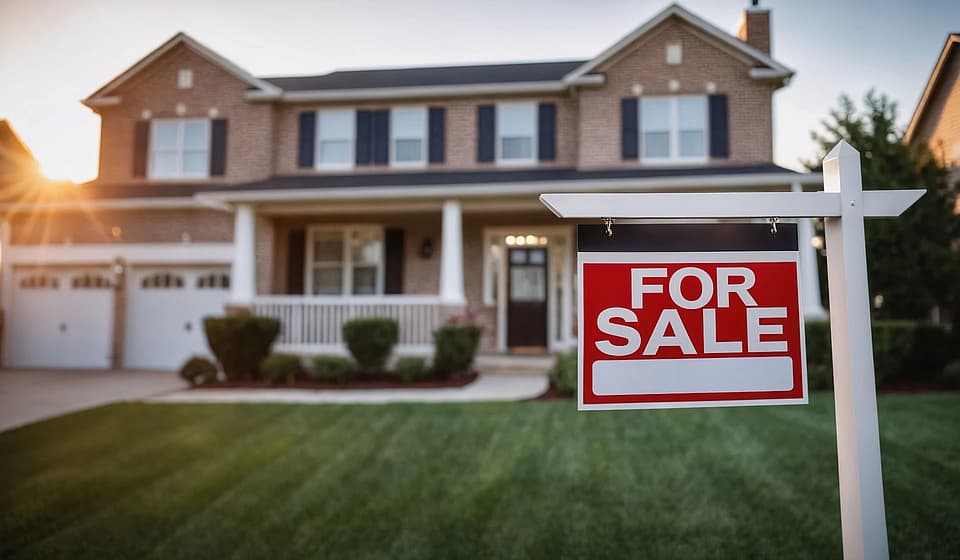
Fewer Closing Surprises
Identifies issues well before the final walkthrough, preventing unexpected problems after settlement.
Mon–Fri 8:30 AM – 4 PM
Home > Services > Real Estate Inspection
We deliver documented chimney reports for buyers, sellers, and agents in Severn, Halethorpe, Sykesville, Annapolis, and nearby, preventing closing surprises.
Chimneys rarely get the attention they deserve during a real estate transaction, and the surprises that result tend to show up after closing. Trinity Chimney Service provides real estate chimney inspections throughout Central Maryland with Level 2 evaluations, video flue scans, and written reports that give buyers, sellers, and agents the documentation they need to move forward with confidence.
Beyond Walkthroughs
A home inspection and a chimney inspection are two distinct evaluations performed by different professionals with different credentials and different scopes of assessment. A general home inspector covers the chimney as one of many systems in the home, typically from a visual, non-invasive standpoint that doesn't include the level of detail a dedicated chimney inspection provides.
For real estate transactions involving a chimney, a standalone Level 2 chimney inspection from a CSIA-certified technician is the appropriate standard, not a line item on a general home inspection report.
The Benefits
Identifies issues well before the final walkthrough, preventing unexpected problems after settlement.
Gives new homeowners explicit confirmation on whether the fireplace is ready for immediate use.
Provides clear photos and written documentation to justify fair credit requests and avoid disputes.
Delivers a formal inspection record suitable for insurance underwriters and home files.
Focuses strictly on necessary system repairs without high-pressure sales tactics.
Allows our team to quickly quote sweeping, lining, or masonry repairs if inspection findings require action.
What to Expect
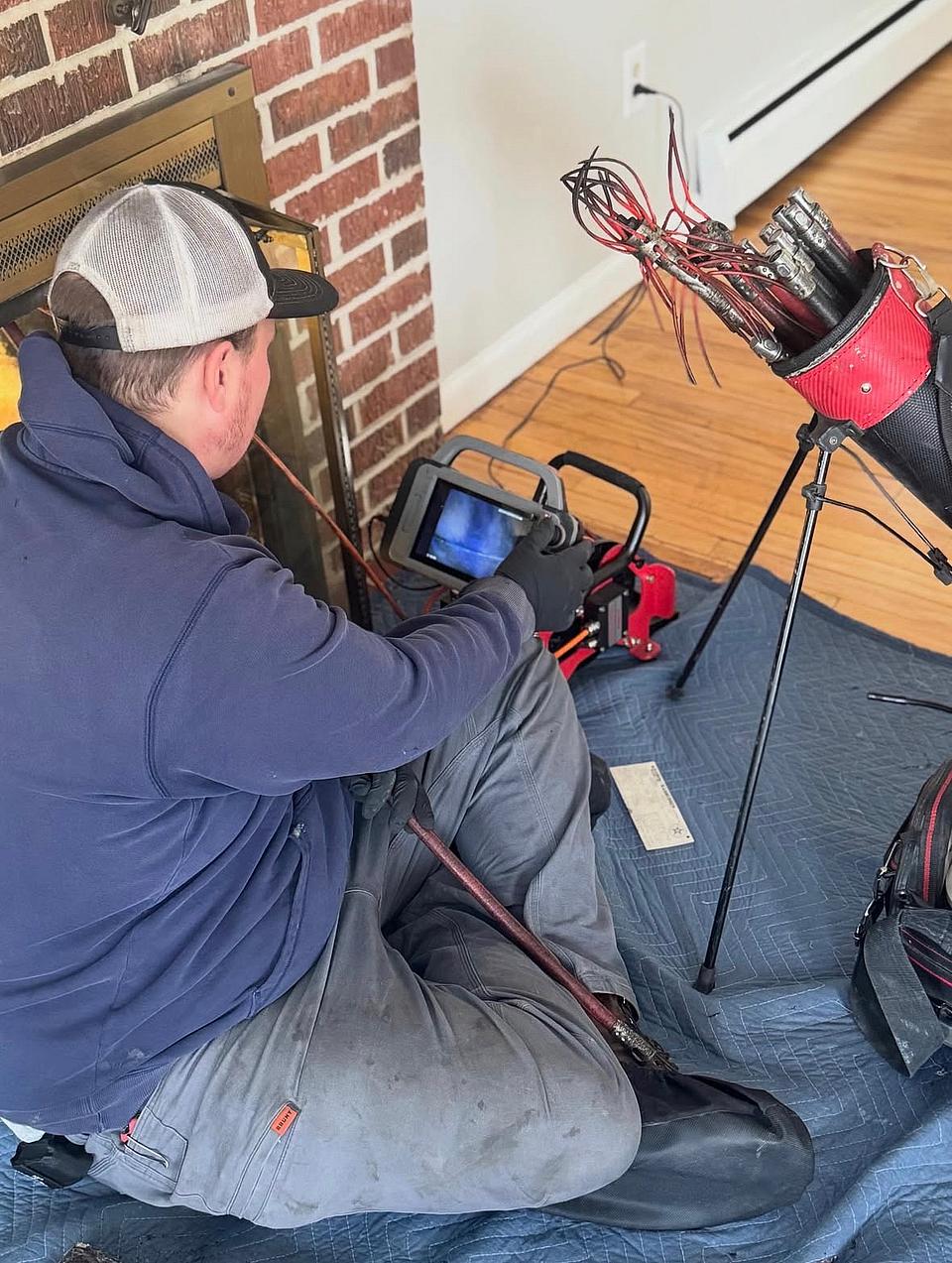
Built for property sales rather than annual maintenance, real estate chimney inspections focus on transaction readiness. CSIA-certified technicians evaluate all accessible components, run video flue inspections when required by property transfers or system changes, keep your home spotless, and send shareable findings to your agent.
Evaluates system components to NFPA 211 standards for real estate transfers, going far beyond a basic firebox check.
Holds CSIA, NFI, and F.I.R.E. credentials, supported by full licensing and insurance (MHIC #114994).
Captures clear flue imaging and photos to ensure buyers, sellers, and agents review identical evidence.
Provides clear priorities by distinguishing critical repairs from items that can be deferred.
How It Works
Call 443-602-4306 or request a visit online. Tell us closing dates, occupancy, and whether you’re the buyer, seller, or agent.
We protect floors, inspect accessible components, and video the flue when a Level 2 is the right standard for the sale.
You receive straightforward results and options for sweeping, lining, or masonry if needed.
Real Estate Inspection Reviews
See More ReviewsWe have used Trinity Chimney for home inspections and routine cleanings. Whenever someone asks for a contact for chimney or fireplace services we always recommend Trinity.
James C.
Verified Customer
We recently purchased a home with a Regency insert. During their thorough inspection, he took time to help us understand how it operates and how best to maintain the system. We will definitely be using them again for all our chimney work. We highly recommend!
A. W.
Verified Customer
Trinity provides the best quality inspection and cleaning services we have found in the area. Trinity will be our go-to company annually from here on out.
Andrew I.
Verified Customer
FAQs
Visible signs of chimney trouble during a home tour are worth noting, but the more important point is what they don't show. Surface-level observations from inside a home or from the ground outside capture a fraction of what's actually going on with a chimney system. That said, certain indicators warrant closer attention:
None of these confirm a specific problem, and their absence doesn't confirm the system is in good condition. Liner deterioration, flashing failures, and structural concerns inside the flue require a Level 2 inspection with video scanning to identify. A home tour is a starting point, not a chimney assessment.
A general home inspection includes a visual observation of the chimney, not a chimney inspection. The distinction matters considerably in a real estate context. Home inspectors assess the chimney as one component among many, typically noting obvious exterior concerns or visible firebox issues from a non-invasive standpoint. What that process doesn't include:
A CSIA-certified chimney inspector approaches the system with entirely different credentials, tools, and depth of evaluation than a general home inspector. For any home with a chimney, a standalone Level 2 inspection from Trinity is the appropriate standard, not a line item in a general home inspection report.
There's no fixed rule on who covers the cost of a chimney inspection during a real estate transaction, and practice varies depending on how negotiations unfold and what the purchase agreement specifies. In many transactions, buyers order and pay for the chimney inspection as part of their due diligence process alongside other inspections. In others, sellers commission a pre-listing inspection to identify issues before the home goes on the market, which can streamline negotiations and prevent last-minute surprises.
When repairs are identified during a buyer-ordered inspection, the question of who addresses the cost typically becomes part of the negotiation between parties. Trinity provides documented findings and written reports that give both sides a clear, defensible picture of the chimney's condition, which is useful regardless of which party initiated the inspection.
An unused chimney isn't a problem-free chimney. In some respects, a chimney that sits dormant for extended periods is more vulnerable to certain types of deterioration than one in regular use. Without fires, there's no heat cycling to help dry out moisture that works its way into the masonry. Without regular inspection, whatever is happening inside the flue goes undetected.
Specific concerns that develop in unused chimneys include:
Before putting an unused chimney back into service, a Level 2 inspection is the appropriate starting point regardless of how long it's been since the last fire.
Real estate chimney inspections consistently surface a predictable set of issues, many of which go undetected by general home inspections precisely because they require a video flue scan and component-level evaluation to identify. The most common findings Trinity encounters include:
Most of these findings are repairable, and identifying them before closing gives buyers accurate information for negotiating and planning. The concern isn't finding problems. It's heading into ownership without knowing they exist.
Credentials are the most reliable starting point when evaluating a chimney inspector in an unfamiliar market. CSIA certification from the Chimney Safety Institute of America is the industry standard for chimney inspection and sweeping work, and it requires demonstrated technical knowledge and ongoing continuing education to maintain. NFI certification indicates additional training in hearth appliance systems.
Beyond credentials, a few other factors matter:
Trinity serves buyers, sellers, and agents throughout Central Maryland with CSIA-certified technicians, Level 2 real estate inspections, and written reports delivered within one to two business days. If you're purchasing in the Central Maryland area, Trinity is the call worth making before you close.
Central Maryland
We travel throughout Howard, Baltimore, Carroll, and Anne Arundel counties, bringing certified chimney and fireplace expertise to neighbors across Central Maryland.
Reach Out Today
Are you looking for your next home? Make the move with confidence and peace of mind by scheduling a real estate inspection with a CSIA certified chimney professional before you close the deal. When we’re done, we’ll provide you with a full written report, which will include photos of our findings and recommendations for repairs or restoration work. No matter the findings, you’ll have the knowledge you need to make the right decision for you and your family. Call us today!
443-602-4306
Buying or selling a home in Central Maryland comes with a long checklist. Trinity Chimney Service keeps chimney inspections at the top of it for real estate transactions and beyond.